 Save to Pinterest
 There's something about baking a cake for a milestone that makes your kitchen feel like sacred ground. My cousin's First Communion was approaching, and I found myself standing in the baking aisle holding vanilla extract like it was the most important ingredient I'd ever touch. The baker I'd called had a six-week wait, so I decided right then that this tender, moist vanilla sheet cake with delicate buttercream flowers would be my gift—something made with my own hands that said more than any store-bought confection ever could.
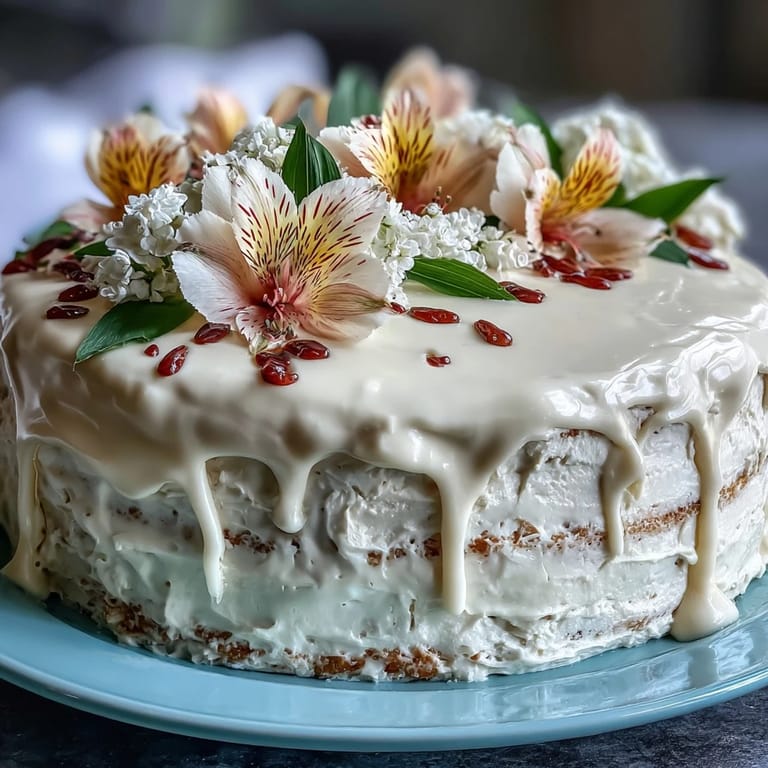
I remember frosting this cake at six in the morning on celebration day, my kitchen still quiet, and realizing how meditative the piping felt. Each flower I pressed onto the white canvas became a small prayer, and by the time I'd finished, the whole cake glowed like something holy. When the birthday girl's mother saw it, she actually teared up—not because it was Instagram-perfect, but because she could taste the intention in every bite.
Ingredients
- All-purpose flour (2 ½ cups): Use fresh flour and whisk it with the baking powder and salt—this aerates the mixture and ensures an even crumb without lumps.
- Baking powder (2 ½ tsp): This is your leavening agent; check the expiration date because old baking powder won't give you that tender lift.
- Salt (½ tsp): Even in sweet things, salt heightens vanilla flavor and balances everything beautifully.
- Unsalted butter (1 cup, softened): Room temperature butter creams properly with sugar; if it's too cold, you'll fight the mixer and lose air incorporation.
- Granulated sugar (2 cups): This sweetens and also helps create that light, fluffy crumb when beaten with butter.
- Eggs (4 large, room temperature): Cold eggs won't emulsify smoothly into the batter, so pull them from the fridge thirty minutes before baking.
- Pure vanilla extract (1 tbsp): Real vanilla makes a difference here; the imitation version tastes thin and chemical against the delicate cake structure.
- Whole milk (1 cup, room temperature): The milk keeps the cake moist and tender while the alternating method prevents overdevelopment of gluten.
- Unsalted butter for buttercream (1 ½ cups, softened): Again, softened butter is essential for a silky frosting that pipes without breaking.
- Powdered sugar (6 cups, sifted): Sifting removes lumps that will show up in your final frosting; don't skip this step.
- Whole milk for buttercream (¼ cup): This loosens the frosting to the right consistency for piping without making it greasy.
- Pure vanilla extract (2 tsp): This flavors the frosting and should match the quality of what's in the cake.
- Food coloring (gel recommended): Gel coloring won't thin out your buttercream like liquid dyes do, keeping the frosting pipeable and vibrant.
Tired of Takeout? 🥡
Get 10 meals you can make faster than delivery arrives. Seriously.
One email. No spam. Unsubscribe anytime.
Instructions
- Prepare your stage:
- Heat the oven to 350°F and line your 9x13-inch pan with parchment paper after greasing it. This prevents sticking and makes turning out the cooled cake infinitely easier.
- Dry ingredients together:
- Whisk flour, baking powder, and salt in a bowl to distribute the leavening evenly. You'll notice the mixture become slightly aerated and lighter in color.
- Cream butter and sugar:
- Beat these together for about three minutes until the mixture looks pale, fluffy, and almost mousse-like. This step is where the magic happens—you're incorporating air that will make the cake tender.
- Add eggs one at a time:
- After each egg, mix well before adding the next; this prevents the batter from looking curdled or broken. Add the vanilla and let it mix in fully.
- Alternate dry and wet ingredients:
- This method prevents overmixing, which would develop gluten and make your cake tough. Start with flour, then milk, then flour, mixing gently each time.
- Transfer and bake:
- Pour the batter into your prepared pan, smooth the top with a spatula, and listen for that satisfying sizzle as it hits the hot surface. Bake 28–32 minutes until a toothpick comes out clean—the smell alone will tell you when it's close.
- Cool properly:
- Let the cake rest in the pan for ten minutes (this sets the structure), then turn it out onto a rack to cool completely. Frosting a warm cake will make it slide around and frustrate you.
- Make silky buttercream:
- Beat softened butter until creamy, then add powdered sugar and milk alternately, beating until smooth and fluffy. This takes longer than you think, but the result is worth it.
- Tint your colors:
- Divide buttercream into small bowls and add gel food coloring drop by drop, mixing well; gel gives you vivid colors without thinning the frosting. Start with less color than you think you need.
- Base layer first:
- Spread plain white buttercream across the cooled cake as your foundation. This gives the piped flowers something to anchor to and creates a beautiful contrast.
- Pipe with intention:
- Fill piping bags with flower and leaf tips, load with colored buttercream, and pipe clusters of flowers around the edges and corners. Work slowly and let yourself enjoy the rhythm of it.
- Optional final touches:
- A small round tip and white buttercream work beautifully for a delicate cross or piped text like the year or initials. This makes the cake feel personal and intentional.
 Save to Pinterest
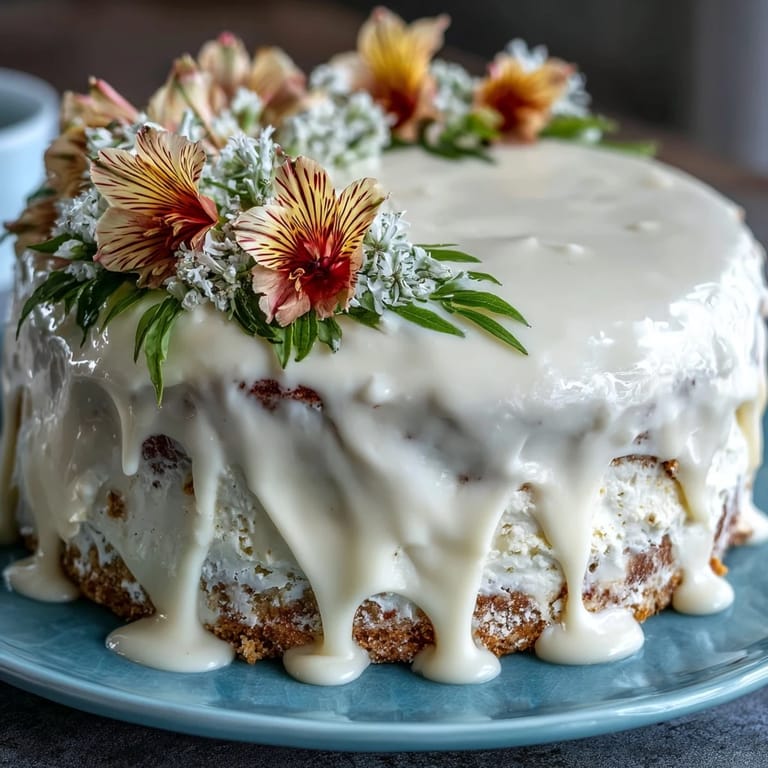
 What struck me most while decorating was how quickly the cake transformed from a simple sheet into something that felt ceremonial. The piped flowers caught the morning light, and suddenly I understood why people gather around cake for celebrations—it's not just dessert, it's a moment where effort becomes love made visible.
Make It Ahead
Baking this cake the day before takes enormous pressure off your celebration. The crumb actually becomes more tender as it sits, and stored covered at room temperature, it stays moist and delicious. You can even pipe the flowers several hours before serving—just keep the finished cake in a cool room away from direct sunlight so the colors don't fade and the frosting doesn't soften.
Flavor Variations Worth Trying
The base vanilla is perfect as written, but once you've made it once, you can experiment with personality. That half teaspoon of almond extract in the notes transforms everything—it adds an almost wedding-cake elegance that's subtle but unmistakable. You could also fold in a teaspoon of lemon zest for brightness, or swap a quarter teaspoon of the vanilla for almond extract in the buttercream for a delicate nod to European baking traditions.
Decorating Like You Mean It
Piping flowers intimidates people more than it should, and honestly, imperfect flowers are often the most charming. The secret is working with buttercream that's soft enough to pipe but firm enough to hold shape—too warm and it collapses, too cold and you'll feel resistance in the bag. Start in the corners where you can hide any shaky first attempts, and remember that nobody eats cake critiquing your piping technique; they're too busy enjoying the moment.
- Practice piping on parchment paper before touching the cake, then you can literally lift the practice flowers onto it if you want.
- Keep your piping bags at a slight angle and let the tip do the work instead of squeezing hard.
- A cross or simple text piped in white with a small round tip feels elegant and keeps the focus on the celebration rather than complicated decorating.
 Save to Pinterest
 This cake has become my answer to every First Communion, confirmation, or quiet celebration that needs to feel special. It's uncomplicated enough that you won't stress, but beautiful enough that it becomes the moment people remember.
Recipe FAQs
- → What is the best way to achieve a moist crumb?
Using room temperature ingredients and alternating flour with milk while mixing gently helps maintain moisture and a tender texture in the cake.
- → How can I ensure smooth buttercream frosting?
Beat softened butter until creamy before gradually adding powdered sugar and milk. Mixing until fluffy and smooth ensures perfect spreadability and piping consistency.
- → Can I prepare the cake in advance?
Yes, the cake can be baked a day ahead and stored covered at room temperature, keeping freshness before decorating.
- → What tools are needed for decorating the buttercream flowers?
Piping bags with flower, leaf, and round decorating tips are essential for creating delicate and detailed floral patterns on the cake.
- → How to get vibrant buttercream colors without runniness?
Use gel food coloring rather than liquid types to keep the buttercream thick and maintain vibrant hues.