 Save to Pinterest
 My grandmother kept a small tin of shortbread in her pantry that appeared mysteriously every spring, and I didn't realize until years later that she'd been making them herself in that narrow kitchen with the window overlooking her garden. The first time I attempted these flower-shaped cookies, I was nervous about overworking the dough, but the moment I pressed the cutter through that buttery disk and watched the delicate shape emerge, I understood why she loved making them. There's something about the ritual of creating something this simple yet elegant that stays with you long after the crumbs have settled.
I made these for an impromptu afternoon tea with a friend who mentioned offhand that she missed traditional British biscuits, and watching her face when she bit into one and closed her eyes in that specific way people do when something tastes exactly right—that's when I realized these cookies had moved beyond just a recipe in my notebook. She asked me to make them again for her daughter's baby shower, and suddenly these little flowers became part of someone else's celebration, which feels like the truest form of cooking success.
Ingredients
- Unsalted butter, softened (1 cup/225 g): The foundation of everything here; room temperature butter creams properly and creates that tender crumb that makes shortbread so addictive.
- Granulated sugar (1/2 cup/100 g): This measured sweetness lets the butter shine without overwhelming, which is the secret to British shortbread philosophy.
- All-purpose flour (2 cups/250 g): The primary structure, and weighing it matters more than you'd think for consistency across batches.
- Cornstarch (1/4 cup/30 g): The ingredient that transforms ordinary butter cookies into something with that sandy, melt-in-your-mouth texture that defines proper shortbread.
- Fine sea salt (1/4 tsp): A whisper of salt deepens the butter flavor in a way that makes people wonder what you added.
- Vanilla extract (1 tsp): Vanilla grounds the flavor profile without making these taste like vanilla cookies; it's just there, supporting everything else.
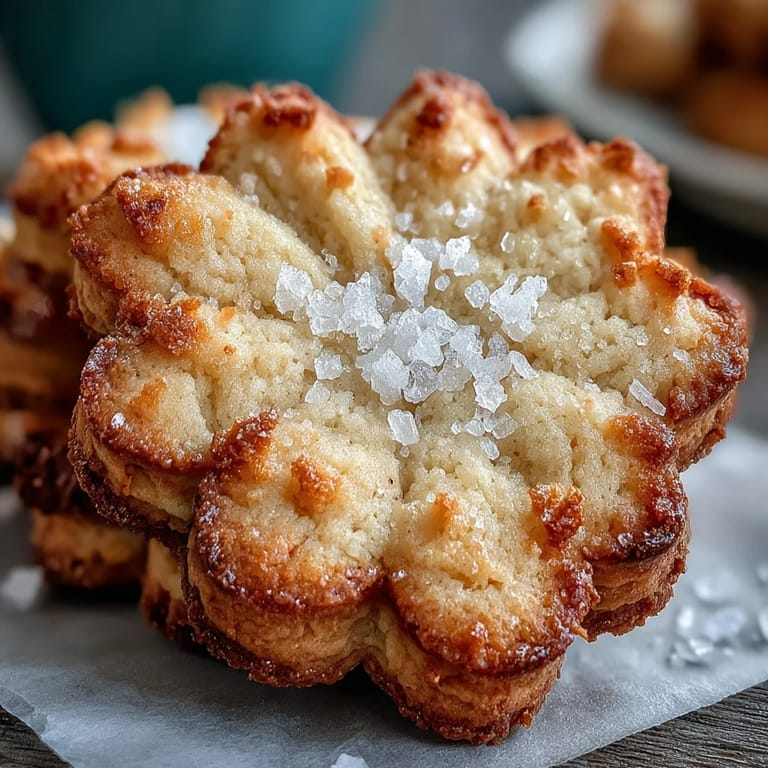
- Sanding sugar or colored sprinkles (2 tbsp, optional): These catch light before baking and add visual appeal without changing the cookie's character.
- Powdered sugar (1/4 cup/30 g, optional): A final dusting creates that elegant, almost snowfall effect that makes these feel special.
- Edible flower petals or pastel icing (optional): Fresh edible flowers pressed into the dough before baking stay vibrant; icing applied after feels more intentional and design-forward.
Tired of Takeout? 🥡
Get 10 meals you can make faster than delivery arrives. Seriously.
One email. No spam. Unsubscribe anytime.
Instructions
- Prepare your workspace:
- Preheat the oven to 350°F (175°C) and line two baking sheets with parchment paper while you gather everything, which prevents that scrambling moment halfway through when you realize you've forgotten something important.
- Cream butter and sugar together:
- Beat them in a large bowl until the mixture looks light, fluffy, and pale—this usually takes about 3 minutes with an electric mixer and signals that air has been incorporated properly. The transformation from dense butter into this cloud-like mixture is one of baking's quiet satisfactions.
- Add vanilla and incorporate it:
- Mix in the vanilla extract until you can smell it throughout the bowl, which takes only a few seconds.
- Combine dry ingredients separately:
- In another bowl, whisk together the flour, cornstarch, and salt so they're evenly distributed before meeting the butter mixture. This small step prevents dense pockets of flour from hiding in your dough.
- Bring dough together gently:
- Add the dry mixture to the butter mixture gradually, stirring just until combined and no flour streaks remain visible. Overworking here creates tough cookies instead of tender ones, which I learned the hard way during my second batch.
- Roll and shape:
- Turn the dough onto a lightly floured surface and roll it to 1/4-inch (6 mm) thickness, which gives you cookies that bake evenly without becoming too crispy or too dense. If the dough feels sticky, chill it for 10 minutes before rolling.
- Cut flower shapes:
- Use your flower-shaped cutter to cut out cookies, spacing them about 1 inch apart on the prepared baking sheets so heat circulates properly around each one.
- Add optional decoration before baking:
- If using sanding sugar or coarse sprinkles, sprinkle them now so they set into the dough. For edible flower petals, press them gently into the surface so they stay put during baking.
- Bake until edges turn golden:
- Bake for 12 to 15 minutes, watching for the moment when just the very edges start taking on a light golden color while the centers remain pale. Underbaked slightly is better than overdone here.
- Cool properly:
- Let cookies rest on the baking sheet for 5 minutes to set slightly, then transfer them carefully to a wire rack to cool completely, which prevents them from breaking apart as they firm up.
- Final decoration:
- Once fully cooled, dust with powdered sugar for an ethereal finish or decorate with pastel icing if you want something more colorful and intentional.
 Save to Pinterest
 There was a moment during a spring gathering when someone I'd just met bit into one of these cookies and told me it reminded them of their childhood in Scotland, and in that instant I understood that good recipes become bridges between people's memories. That's when food moves beyond nourishment into something almost sacred.
The Art of Not Overworking
The difference between shortbread that's tender and shortbread that's tough comes down to restraint in the mixing bowl, which is something I've had to practice because I have a tendency toward enthusiasm when baking. Less mixing means less gluten development, which means cookies that practically dissolve on your tongue instead of requiring actual chewing. Once you feel the dough come together with no visible flour streaks, stop immediately and trust that it's ready.
Flavor Variations Worth Exploring
While these cookies are perfect on their own, citrus zest transforms them into something that tastes like spring tastes—add 1 teaspoon of finely grated lemon or orange zest to the butter mixture and suddenly you've got brightness that makes people ask what the secret ingredient is. I've also experimented with a tiny pinch of almond extract or cardamom, and both of those create their own kind of magic without overwhelming the buttery base. The versatility here means you can keep making these and they'll feel different depending on what you add.
Storage, Decorating, and Sharing
These cookies live happily in an airtight container for up to a week, which means you can bake them ahead for gatherings or just keep them around for moments when you want something special with afternoon tea. The decoration question is really about mood: sanding sugar before baking feels simple and elegant, while icing afterward feels more intentional and celebratory. Either way, these cookies deserve to be shared with people who notice the difference between something mass-produced and something made with actual care.
- Plain shortbread keeps longest; decorated versions are best eaten within 3-4 days for optimal appearance.
- If your tin sits closed for more than a week, they soften slightly but taste wonderful crumbled into cream for an impromptu dessert.
- Wrapped individually in parchment and tucked into a gift box, these become the kind of present people actually remember.
 Save to Pinterest
 These flower-shaped cookies are as much about the moment you create them as they are about eating them, and that's the real magic of shortbread. Make them when you need something beautiful, something that reminds you that simple ingredients can become extraordinary.
Recipe FAQs
- → What ingredients create the tender texture of these shortbreads?
Unsalted butter, combined with a precise mix of all-purpose flour and cornstarch, creates a tender, crumbly texture typical of delicate shortbreads.
- → How can I decorate the shortbreads to enhance presentation?
Sanding sugar, edible flower petals, or pastel icing add a festive and elegant touch without overpowering the buttery flavor.
- → Can I add flavor variations to the dough?
Adding finely grated lemon or orange zest imparts a subtle citrus aroma, brightening the buttery base nicely.
- → What is the recommended thickness for rolling the dough?
Roll the dough to about 1/4 inch (6 mm) thickness for even baking and a tender crumb.
- → How should the cookies be baked for best results?
Bake at 350°F (175°C) for 12 to 15 minutes until edges are lightly golden, ensuring a crisp exterior with a tender center.