 Save to Pinterest
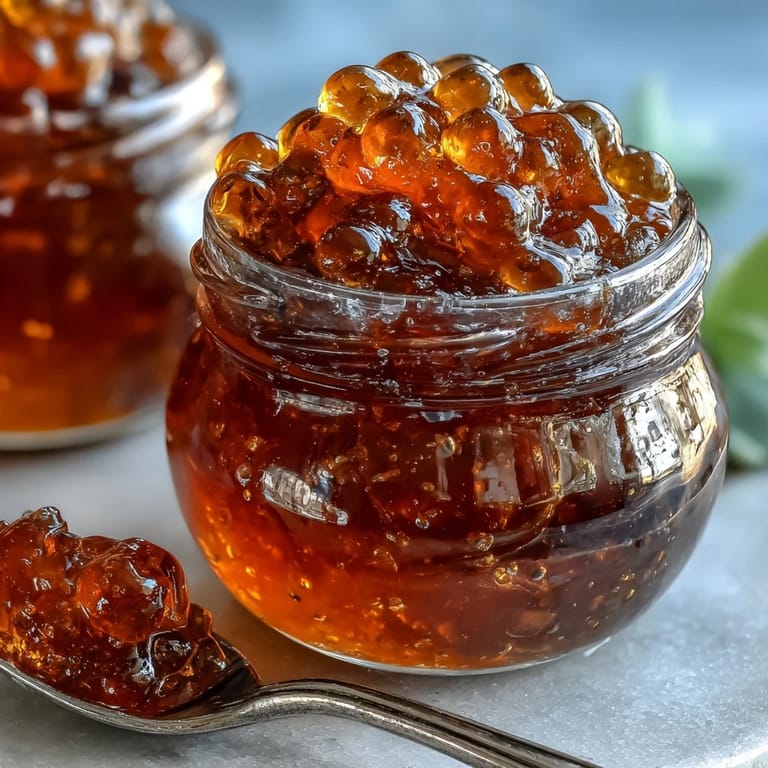
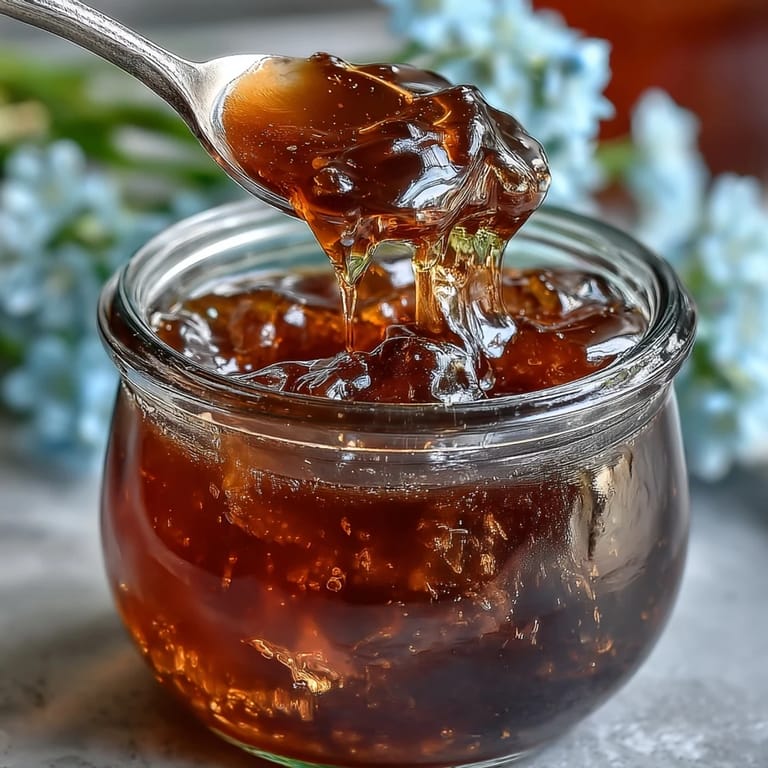
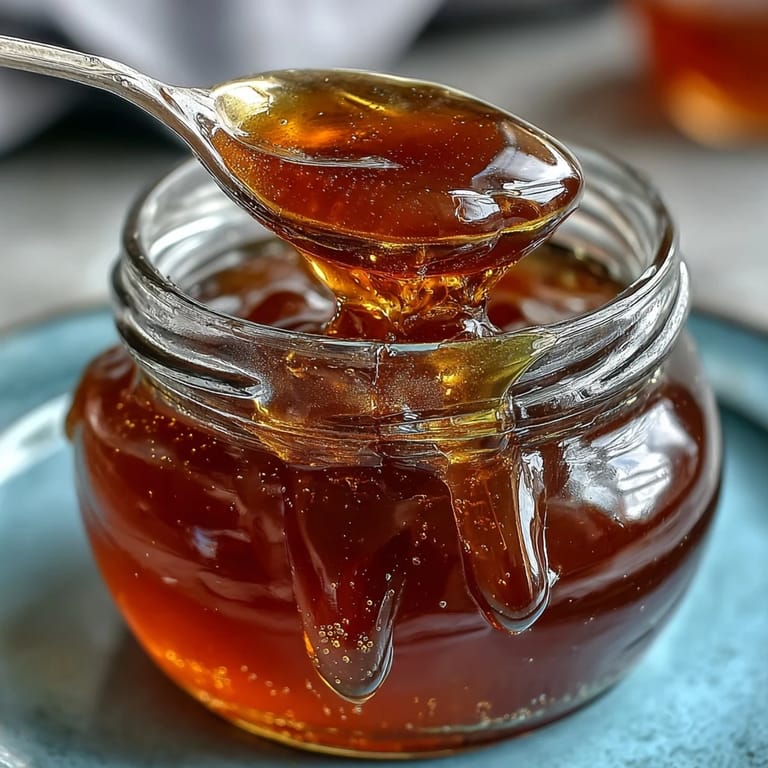
 My neighbor handed me a jar of dandelion jelly last spring, golden as captured sunlight, and I was skeptical until I spread it on warm toast. That bright, floral sweetness hit differently than any jam I'd ever tasted, and I spent the whole morning wondering how she'd managed to bottle something so delicate. It turns out the secret wasn't just skill but patience—letting those sunny petals steep until they released their quiet magic into plain water. Now every April when the lawn erupts with yellow, I find myself foraging with purpose instead of just mowing them down.
I made my first batch for my sister's wedding shower, nervous about whether homemade preserves felt too humble for the occasion. When she tasted it on a butter cracker with sharp cheddar, her whole face changed—not polite but genuinely delighted. That moment taught me that some of the most memorable things we serve aren't the fanciest but the ones made with attention and a little bit of wildness.
Ingredients
- Dandelion petals (2 cups, yellow parts only): Use only the bright yellow petals, leaving behind all the green sepals which carry a bitter taste that will sabotage your jelly—I learned this the hard way with my first batch.
- Water (4 cups): Filtered or spring water works best and makes a noticeable difference in the clarity and flavor of your finished jelly.
- Lemon juice (2 tablespoons, freshly squeezed): Fresh lemon does the heavy lifting here, cutting through the floral sweetness and helping the jelly set properly.
- Powdered fruit pectin (1 package, 1.75 oz): This is your setting agent, and using the powdered version rather than liquid gives you more control and a more reliable gel.
- Granulated sugar (4 cups): The jelly needs this much sugar both for flavor and for proper gelling, though you can experiment with reducing it if you prefer less sweetness.
Tired of Takeout? 🥡
Get 10 meals you can make faster than delivery arrives. Seriously.
One email. No spam. Unsubscribe anytime.
Instructions
- Pick and prepare your petals:
- Hunt for dandelions in areas you know are clean and pesticide-free, then pluck just the bright yellow petals, leaving the green parts behind. This selective picking matters more than you'd think—one bitter sepal can echo through the whole batch.
- Rinse gently and infuse:
- Give your petals a gentle rinse to remove any insects or debris, then combine them with water in a saucepan and bring to a boil before simmering for five minutes. The brief simmer releases the petals' potential before you let them steep undisturbed for four hours or overnight, filling your kitchen with the strangest floral perfume.
- Strain your liquid treasure:
- Pour everything through a fine mesh sieve or cheesecloth, pressing gently on the petals to coax out every last bit of golden liquid but not so hard that you crush them into the infusion. You should end up with about three and a half to four cups of pale, fragrant dandelion water.
- Build your jelly base:
- Pour the infusion into a large pot, add your lemon juice and pectin, and stir constantly as you bring it to a rolling boil—this is where things get serious and the temperature matters. Keep stirring because any pectin lumps now will haunt you later.
- Add sugar and reach your setting point:
- Dump all the sugar in at once and keep stirring like you mean it until you reach a full rolling boil, then let it boil hard for one to two minutes until you hit 220°F on a candy thermometer. This is the moment where science and intuition meet, and you'll feel the mixture thicken ever so slightly as it approaches readiness.
- Jar and process with care:
- Remove from heat, skim off any foam with a spoon, then ladle the hot jelly into sterilized jars leaving a quarter inch of headspace at the top. Wipe the rims clean, screw on your lids, and process everything in a boiling water bath for ten minutes to seal properly and ensure long shelf life.
- Cool and verify:
- Let your jars sit undisturbed for at least twelve hours while they cool and the jelly sets up inside, then check each seal by pressing the center of the lid—it should be slightly concave and not pop back when pressed.
 Save to Pinterest
 My daughter started picking dandelions with me last year, and what began as a chore became our April ritual, her tiny hands carefully separating petals while I explained why the green parts had to go. Watching her understand that flowers could become food, that something from the yard could transform into something beautiful and delicious, reminded me why cooking matters beyond just nutrition.
The Foraged Perspective
There's something humbling about making jelly from dandelions, a plant most people spend their spring destroying. Once you start foraging intentionally, you see lawns differently—not as monocultures to be perfected but as free gardens offering flavor and possibility. The dandelions want to be picked; they're practically insistent about it.
Storage and Shelf Life
Properly sealed jars will keep in a cool, dark pantry for up to two years, though they rarely last that long once people taste them. Once opened, refrigerate and use within three weeks to maintain the delicate floral notes and prevent any unwanted fermentation.
Variations and Serving Ideas
Beyond the classic morning toast spread, this jelly transforms depending on where you use it: swirled into cream cheese for an unexpected appetizer, glazed over roasted duck for something genuinely elegant, or stirred into yogurt for breakfast that tastes like springtime. Some people add orange zest to deepen the flavor profile, and others pair it with a sharp cheddar to balance the sweetness.
- Try serving it alongside a soft cheese board for an unexpectedly sophisticated pairing that surprises every single guest.
- Drizzle it over vanilla ice cream in summer for a delicate, floral dessert that feels both simple and special.
- Gift it in pretty jars with handwritten labels explaining what it is, because people love knowing the story behind what they eat.
 Save to Pinterest
 There's real magic in making dandelion jelly, not because it's difficult but because it connects you to seasons and foraged abundance in a way that ordinary cooking doesn't. Once you've tasted it warm on fresh toast, you'll understand why my neighbor smiled when she handed me that first jar.
Recipe FAQs
- → How should I prepare dandelion petals for the infusion?
Use only the yellow petals, carefully removing green parts like sepals and stems to avoid bitterness. Rinse gently to clean.
- → Why is steeping the petals important?
Steeping allows the floral flavors and aromas to fully infuse into the water, giving the jelly its delicate spring essence.
- → What can I use to strain the dandelion infusion?
A fine mesh sieve or cheesecloth works best to separate the infused liquid from petals, ensuring a clear, smooth base.
- → How do I know when the jelly has reached setting point?
The mixture should reach 220°F (104°C) and boil hard for 1–2 minutes, or you can test by checking if a drop gels on a cold plate.
- → Can I adjust the sweetness of this floral spread?
Yes, you can reduce sugar slightly and use low-sugar pectin for a less sweet spread without affecting texture.
- → What are some serving suggestions for this spread?
Try it on toast, scones, pancakes, or as a glaze over cakes and cheeses for a subtle floral touch.