 Save to Pinterest
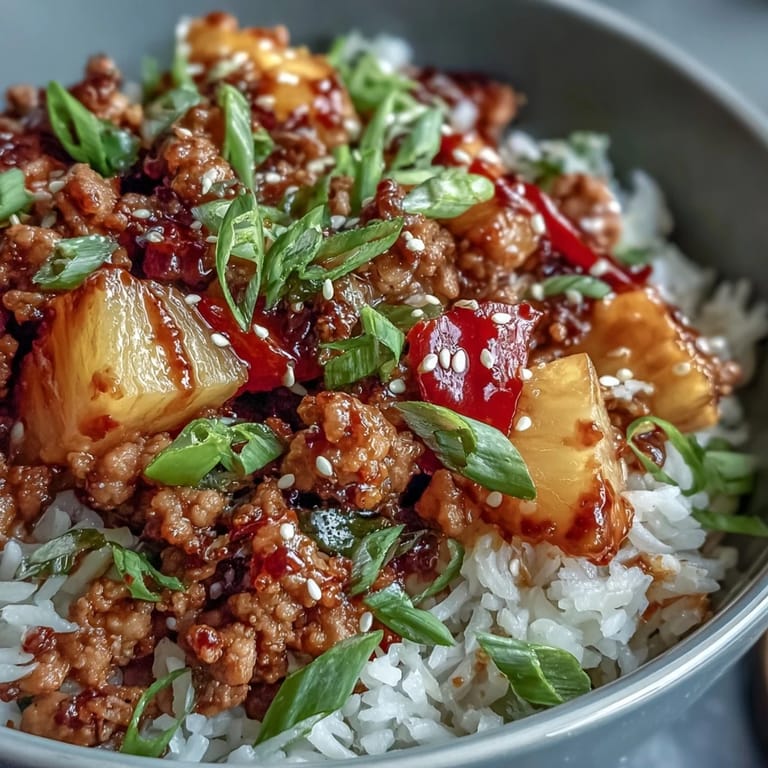
 There's something almost magical about the moment when ground turkey hits a hot skillet and the kitchen fills with that savory, sizzling promise. I discovered this sweet-and-sour skillet on a Tuesday evening when I had leftover jasmine rice, a container of pineapple chunks from the weekend, and the sudden craving for something that felt both comforting and alive. The gochujang in the sauce was the turning point, that funky, spicy-sweet paste that transforms an ordinary meal into something distinctly Korean-inspired. What started as improvisation became something I make on repeat, especially when I need dinner on the table without fuss.
I made this for my neighbor last month when she mentioned feeling tired of her usual weeknight rotation, and watching her face light up at that first forkful felt like the best compliment. She kept asking if there was fish sauce or some secret ingredient, which made me laugh, because sometimes the simplest combinations hit harder than expected. Since then, it's become our go-to recipe to make together when our kids are playing in the backyard.
Ingredients
- Ground turkey: One pound gives you lean protein that won't weigh you down, and it absorbs flavors beautifully without overpowering the sauce.
- Yellow onion and bell peppers: The vegetables need to stay slightly crisp, so don't skimp on the heat or they'll turn soft and fade into the background.
- Garlic cloves: Three cloves minced fine ensures they distribute evenly and release their flavor into every bite.
- Pineapple chunks: Fresh is lovely if you have it, but canned drained pineapple works just as well and adds natural sweetness that balances the heat.
- Jasmine rice: Day-old rice separates better than fresh, which means you'll get that desirable fluffy texture instead of a gluey mass.
- Gochujang: This Korean chili paste is the backbone of the dish, bringing depth and a gentle kick without being aggressive.
- Soy sauce, rice vinegar, and brown sugar: Together they create the sauce, with vinegar providing brightness and brown sugar rounding out the edges.
- Sesame oil: Just one teaspoon at the end adds a nutty finish that ties everything together.
Tired of Takeout? 🥡
Get 10 meals you can make faster than delivery arrives. Seriously.
One email. No spam. Unsubscribe anytime.
Instructions
- Brown the turkey properly:
- Heat your oil until it shimmers, then add the ground turkey and resist the urge to stir constantly. Let it sit for a minute so it develops color and flavor before breaking it into smaller pieces. You're aiming for golden-brown meat that's cooked through but still tender, about 5 to 6 minutes.
- Build flavor with vegetables:
- Once the turkey is done, toss in your onion, peppers, and garlic all at once. The heat from the skillet will release their natural sweetness, and 4 to 5 minutes is enough time to soften them while keeping them from turning mushy.
- Add the pineapple:
- Those chunks go in just for a minute, warming through without breaking apart. This is where the dish starts to smell incredible, and you'll know it's time to move forward.
- Make the sauce magic:
- In a small bowl, whisk soy sauce, gochujang, rice vinegar, brown sugar, ketchup, and sesame oil until smooth. Pour it into the skillet and stir everything until every ingredient is coated in that glossy, fragrant sauce.
- Combine with rice:
- Fold in your cold leftover rice, breaking up any clumps with your spoon as you stir. A couple of minutes of stir-frying lets the rice heat through and absorb the flavors surrounding it.
- Taste and adjust:
- Always taste before serving because everyone's soy sauce and gochujang brands vary slightly. You might need a touch more vinegar for brightness, more sugar for sweetness, or more gochujang if you like heat.
- Finish with garnish:
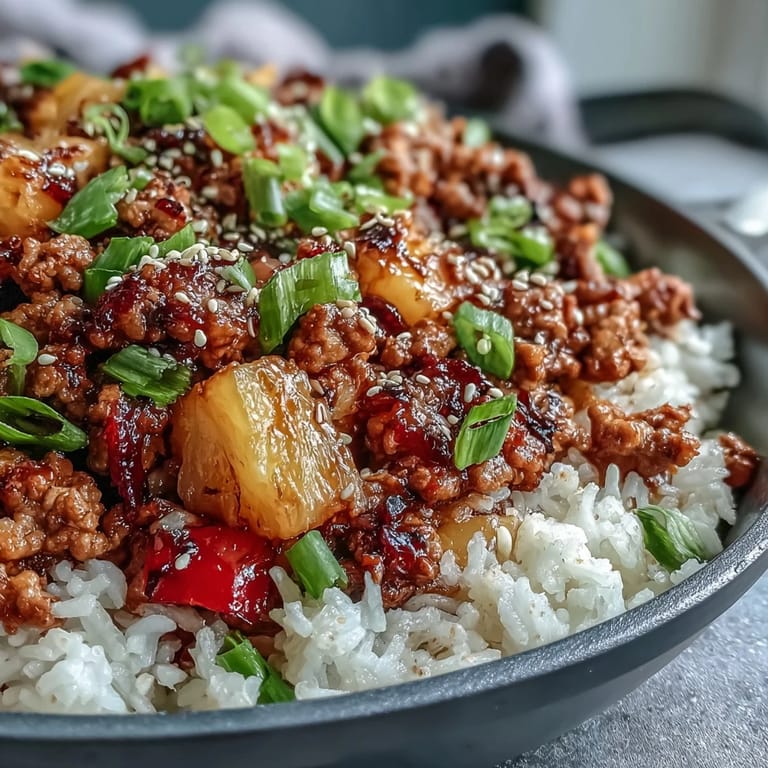
- Remove from heat, sprinkle sliced green onions and sesame seeds over the top, and serve while everything is still steaming. The fresh onions add a sharp contrast to the warm sweetness.
 Save to Pinterest
 There was an evening when my partner came home stressed from work, and I had this on the table in under an hour, still steaming and vibrant. Watching them take the first bite and then pause with that small, satisfied smile reminded me that food isn't just fuel, it's a way of saying 'I know what you need right now.'
When to Serve This
This skillet shines on weeknights when you're too tired to fiddle with multiple pans but still want something that tastes intentional and bright. It's also perfect for meal prep, since it reheats beautifully and tastes even better the next day when the flavors have had time to mingle. On casual entertaining nights, it feels impressive enough to serve to guests without requiring any last-minute stress.
Making It Your Own
The beauty of this recipe is how forgiving it is, which means you can play around without breaking it. Swap ground chicken or pork for the turkey if that's what you have, add extra vegetables like snap peas or mushrooms, or adjust the heat level by adding red pepper flakes or more gochujang. I've made it with mango instead of pineapple on summer evenings, and it shifts the flavor just enough to feel like a new dish.
Pairing and Storage
A crisp Riesling or cold lager pairs beautifully with the sweet-spicy sauce, cutting through the richness while complementing the tropical notes. Leftovers keep well in the refrigerator for three to four days, and you can reheat them gently in a skillet with a splash of water or in the microwave, though the stovetop keeps the texture better.
- Store leftovers in an airtight container and reheat slowly so the rice doesn't dry out.
- You can also freeze this for up to two months, though it's best enjoyed fresh within the first few days.
- Double the recipe if you're cooking for a crowd, because it's one of those dishes that disappears faster than you'd expect.
 Save to Pinterest
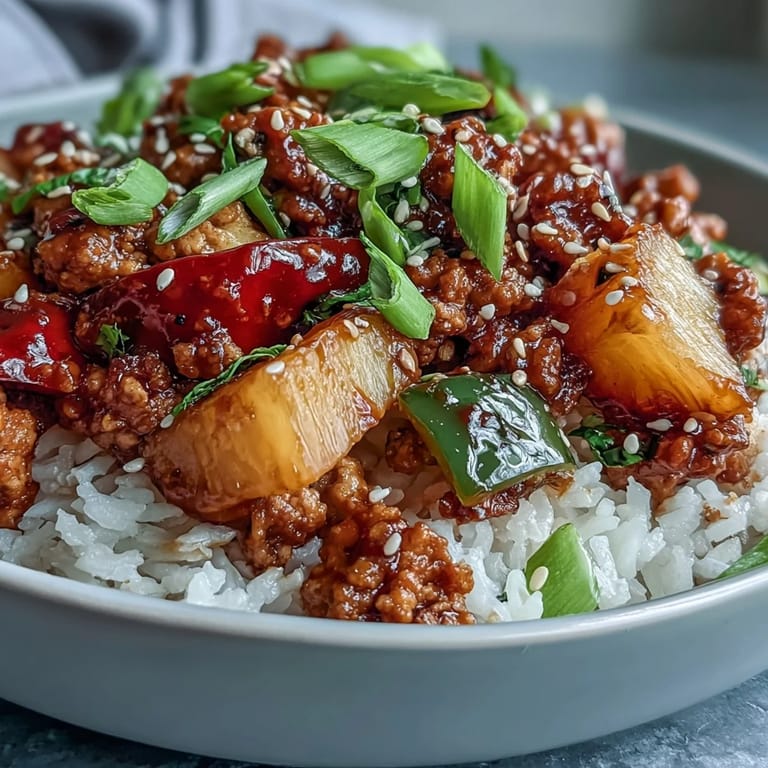
 This recipe has quietly become one of my most trusted standby meals, the kind you make when you want something that feels special without feeling complicated. It's proof that the best dishes are often the simplest ones, built on good ingredients and the willingness to taste as you go.
Recipe FAQs
- → What makes this dish Korean-inspired?
The inclusion of gochujang, a Korean chili paste, gives this sweet-and-sour skillet its distinctive Korean-inspired flavor profile while balancing perfectly with pineapple sweetness.
- → Can I use freshly cooked rice?
Day-old rice works best as it's drier and less sticky, but you can use freshly cooked rice. Just spread it on a baking sheet to cool and dry slightly before adding to the skillet.
- → Is gochujang very spicy?
Gochujang offers moderate heat with fermented depth. Start with 1 tablespoon and add more if you prefer additional spice. You can also substitute with sriracha or red pepper flakes.
- → Can I make this without pineapple?
Pineapple provides essential sweetness and acidity for the sweet-and-sour profile. Mango or peaches could work as alternatives, though the flavor will change slightly.
- → How should I store leftovers?
Store in an airtight container in the refrigerator for up to 3 days. Reheat in a skillet over medium heat, adding a splash of water if needed to refresh the rice.
- → What protein substitutes work well?
Ground chicken, pork, or even crumbled tofu work beautifully with these flavors. Adjust cooking time accordingly to ensure the protein is fully cooked.