 Save to Pinterest
 There's something about the first chilly evening of autumn that makes me crave something warming and substantial, and this sweet potato and black bean soup became my answer to that craving. I was standing in my kitchen, holding a sweet potato I'd grabbed from the farmers market almost by accident, when it hit me—why not combine it with something protein-packed and let the spices do the heavy lifting? That spontaneous decision led to a soup that's become my go-to comfort meal, one that somehow tastes even better the next day.
I made this soup for my sister on an afternoon when she'd had one of those weeks, and watching her face light up as she tasted it reminded me why cooking for people matters. She asked for the recipe before finishing her bowl, and now she texts me photos of her own batches with different garnish combinations. That's when I knew this recipe had something special—it's humble enough to be approachable, but interesting enough to make someone feel genuinely cared for.
Ingredients
- Sweet potatoes: The creamy base that makes this soup naturally sweet without added sugar; peeling them before cooking saves texture and time.
- Yellow onion: Your flavor foundation—dicing it small helps it soften quickly and distribute evenly throughout the broth.
- Garlic: Never skip the mincing step here; whole cloves won't release their fragrance the way you need.
- Carrot and celery: These aromatics build depth; don't rush the sauté or you'll miss their subtle sweetness.
- Red bell pepper: Adds brightness and a gentle sweetness that balances the earthiness of the beans.
- Black beans: Rinsing canned beans removes excess sodium and starch, giving you a cleaner final texture.
- Vegetable broth: Use good quality broth if you can; it becomes the backbone of every spoonful.
- Diced tomatoes: The acidity here brightens everything and keeps the soup from feeling too heavy.
- Ground cumin: This spice whispers rather than shouts; it's what makes the soup feel intentional.
- Smoked paprika: The real secret—it adds depth and a hint of smokiness that feels almost mysterious.
- Ground coriander: A mild, slightly citrusy note that most people won't identify but will definitely notice is missing if you skip it.
- Cayenne pepper: Keep this optional and controlled; it's your permission to add heat if your mouth wants it.
- Bay leaf: One leaf simmering quietly in the pot does more for the aroma than you'd expect.
- Fresh cilantro and lime: These aren't optional in my kitchen; they transform the soup from warm to vibrant.
Tired of Takeout? 🥡
Get 10 meals you can make faster than delivery arrives. Seriously.
One email. No spam. Unsubscribe anytime.
Instructions
- Build your flavor base:
- Heat olive oil in a large pot over medium heat and add your diced onion, carrot, celery, and bell pepper. You're looking for that moment about five minutes in when the onion starts turning translucent and the whole kitchen smells like possibility; that's when you know it's time to move forward.
- Wake up the garlic:
- Add your minced garlic and cook for just one minute—this is short enough to keep it from burning but long enough to release its incredible fragrance. You'll notice the shift immediately.
- Toast your spices:
- Stir in the sweet potatoes along with cumin, paprika, coriander, cayenne, and bay leaf, cooking for about two minutes while stirring constantly. This step coats everything in spice and lets the flavors meld before the liquid goes in.
- Add your liquids:
- Pour in the vegetable broth and diced tomatoes with their juice, then bring everything to a boil. Don't leave it unattended here; you want to catch the moment when it's truly boiling so you know when to turn the heat down.
- Simmer until tender:
- Reduce heat to low, cover the pot, and let it bubble gently for about fifteen minutes until the sweet potatoes are fork-tender. The covered pot keeps the steam inside where it belongs, cooking everything evenly.
- Bring in the beans:
- Add your rinsed black beans along with salt and black pepper, then simmer uncovered for another five to ten minutes to let all the flavors really get to know each other. This is when the soup stops being ingredients and becomes something unified.
- Choose your texture:
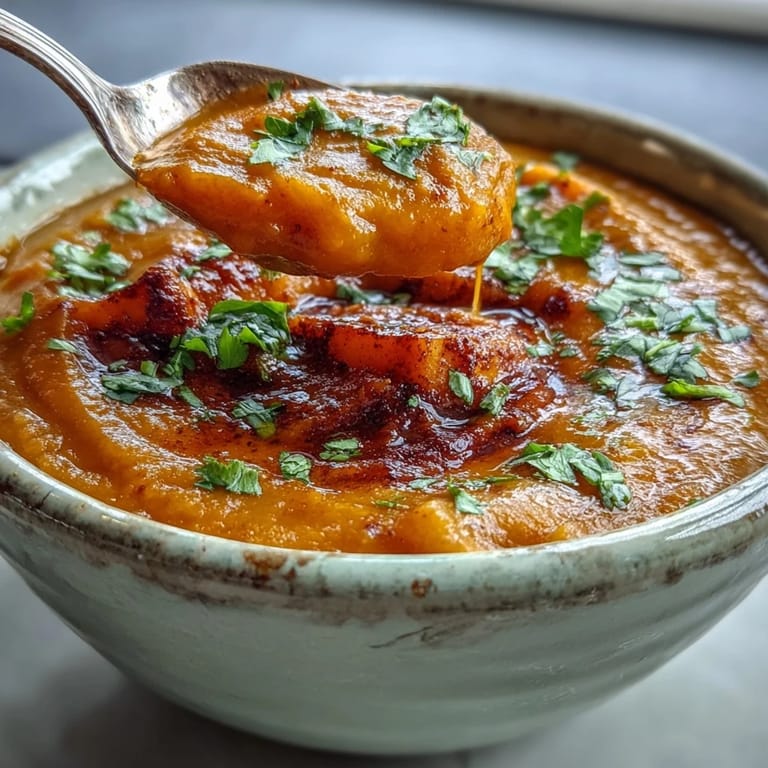
- Remove the bay leaf, then decide how creamy you want it—you can blend it partially with an immersion blender for a velvety consistency or leave it chunky if that's what your mood calls for. I usually blend about half of it, leaving plenty of texture.
- Taste and adjust:
- Take a spoonful, let it cool slightly, and taste it honestly. Salt can be adjusted now, and if you want more heat, this is the moment to add cayenne.
 Save to Pinterest
 There was one afternoon when I served this soup alongside a simple salad to a group of friends who'd shown up unexpectedly, and the way they stopped talking mid-conversation to focus on their bowls told me everything I needed to know. Food that makes people pause is the kind worth keeping around.
The Magic of Smoked Paprika
I learned the power of smoked paprika by accident when I reached for it instead of regular paprika one evening, too distracted to read the label carefully. That mistake became a discovery—the soup gained this subtle depth that made people ask what was different, and once I figured it out, there was no going back. Don't think of paprika as optional seasoning; it's the ingredient that transforms this from basic vegetable soup into something that feels like someone actually cared about making your dinner.
Why Partial Blending Works
The immersion blender is your ally here, but only if you use it like a tool for refinement rather than obliteration. Blending half the soup creates a naturally creamy base while keeping enough chunks that you actually feel like you're eating something substantial—that contrast is what keeps the soup interesting bite after bite. The first time I made this without blending anything, it felt a bit too rustic, but the first time I blended it completely, it felt like something you'd eat because you had to, not because you wanted to.
Serving and Customization
This soup loves fresh toppings, and I've learned that the garnishes are almost as important as the soup itself. A squeeze of lime wedges brightens everything, fresh cilantro adds freshness that warm soup sometimes lacks, and sliced avocado brings richness that makes it feel like a more complete meal. I've also discovered that this soup pairs beautifully with crusty bread for soaking up the broth, or with crispy tortilla chips if you want something with more texture.
- Don't skip the lime—it's the difference between good soup and soup that tastes intentional.
- Fresh cilantro can be swapped for parsley if cilantro isn't your thing, though the flavor will be slightly different.
- Greek yogurt as a topping adds protein and creaminess if you're not vegan, making it feel almost decadent.
 Save to Pinterest
 This soup has become one of those recipes I return to without thinking, the kind that feels like an old friend. It nourishes without pretension and impresses without demanding hours of your time.
Recipe FAQs
- → Can I make this soup in advance?
Yes, this soup actually tastes better the next day as flavors have time to meld together. Store in an airtight container in the refrigerator for up to 4-5 days. Reheat gently on the stovetop, adding a splash of broth if it has thickened too much.
- → Is this soup freezer-friendly?
Absolutely. Let the soup cool completely before transferring to freezer-safe containers. It will keep well for up to 3 months. Thaw overnight in the refrigerator and reheat on the stovetop. The texture may change slightly but remains delicious.
- → How can I make this soup spicier?
Add more cayenne pepper to taste, or incorporate a diced jalapeño when sautéing the vegetables. A pinch of chipotle powder works wonderfully for smoky heat. Hot sauce can also be stirred in at the end for an extra kick.
- → What other beans work in this soup?
Pinto beans, kidney beans, or even cannellini beans make excellent substitutes. Each brings a slightly different flavor and texture profile while maintaining the protein and fiber content. You can also use a combination of multiple bean varieties.
- → Can I use dried sweet potatoes instead of fresh?
Fresh sweet potatoes are recommended for the best texture and flavor. Dried sweet potato flakes would alter the consistency significantly. If fresh aren't available, butternut squash or pumpkin make suitable alternatives that provide similar creamy texture when cooked.
- → What pairs well with this soup?
Crusty bread, cornbread, or tortilla chips make perfect accompaniments for dipping. A simple green salad with citrus vinaigrette balances the richness. For a complete meal, top with a dollop of Greek yogurt or sour cream and extra fresh cilantro.