 Save to Pinterest
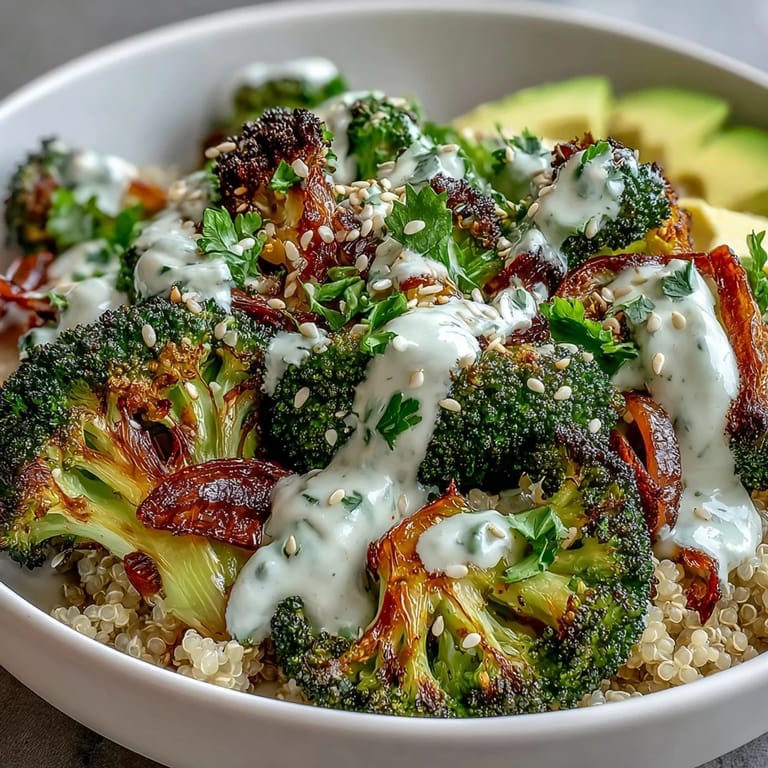
 My kitchen counter was cluttered with half-used grain jars when I realized I needed something quick, filling, and actually exciting to eat. I grabbed broccoli from the crisper, remembering how restaurant roasted vegetables always tasted better than my sad steamed versions. The oven was already hot from something else, so I tossed the florets with oil and spices, and twenty minutes later, I understood what I'd been missing. Those crispy, caramelized edges changed everything. This bowl became my reset meal, the one I make when I want to feel nourished without overthinking it.
I made this for a friend who claimed she hated healthy food, and she scraped her bowl clean, then asked for the recipe on her phone before leaving. We sat at my tiny kitchen table with mismatched bowls, and she kept going back for more tahini sauce, drizzling it over every bite. That night taught me that good food doesn't need to apologize for being nutritious. Sometimes the simplest combinations, when done right, win over even the skeptics. I've made it for potlucks, meal prep Sundays, and quiet weeknight dinners ever since.
Ingredients
- Broccoli florets: Choose a large head with tight, dark green crowns, and don't skip cutting them into similar sizes so they roast evenly and get those golden, crispy tips.
- Red onion: Thinly sliced onions caramelize beautifully in the oven, adding a subtle sweetness that balances the earthy broccoli.
- Olive oil: Use enough to coat everything lightly, it's what makes the vegetables crisp up rather than steam.
- Smoked paprika: This adds a gentle smokiness without overpowering, like a whisper of campfire in every bite.
- Sea salt and black pepper: Season generously, roasted vegetables need more salt than you think to bring out their natural flavors.
- Quinoa or brown rice: Quinoa cooks faster and stays fluffy, while brown rice offers a chewier, heartier base.
- Vegetable broth: Cooking grains in broth instead of water adds a layer of savory depth that plain water just can't match.
- Tahini: Look for a well-stirred, smooth tahini, the oil separates on the shelf, so mix it thoroughly before measuring.
- Lemon juice: Freshly squeezed is best, it brightens the tahini sauce and cuts through the richness.
- Maple syrup or honey: Just a tablespoon balances the tang and bitterness, rounding out the sauce perfectly.
- Garlic clove: Minced fine and raw, it gives the sauce a sharp, lively kick that mellows as it sits.
- Sesame seeds: Toasting them for a minute in a dry pan makes them nutty and fragrant, a small step that matters.
- Fresh parsley: Chopped parsley adds color and a fresh, grassy note that lifts the whole bowl.
- Avocado: Creamy slices add richness and make the bowl feel more complete and satisfying.
Tired of Takeout? 🥡
Get 10 meals you can make faster than delivery arrives. Seriously.
One email. No spam. Unsubscribe anytime.
Instructions
- Prepare the oven:
- Preheat to 425 degrees Fahrenheit and line a baking sheet with parchment paper to prevent sticking and make cleanup effortless. A hot oven is essential for achieving those crispy, caramelized edges.
- Season the vegetables:
- Toss broccoli florets and red onion slices with olive oil, smoked paprika, salt, and pepper in a large bowl until evenly coated. Spread them in a single layer on the baking sheet, giving each piece space to roast rather than steam.
- Roast until golden:
- Slide the sheet into the oven and roast for 20 to 25 minutes, stirring once halfway through so everything browns evenly. You'll know they're done when the broccoli tips are crispy and the onions have softened and caramelized.
- Cook the grains:
- Rinse quinoa or rice under cold water, then combine with water or vegetable broth in a saucepan and bring to a boil. Reduce the heat, cover, and simmer until the grains are fluffy and tender, about 15 minutes for quinoa or 35 for brown rice, then fluff with a fork.
- Make the tahini sauce:
- Whisk together tahini, lemon juice, maple syrup or honey, minced garlic, and a pinch of salt in a bowl. Gradually add water, one tablespoon at a time, whisking until the sauce is smooth, pourable, and creamy.
- Assemble the bowls:
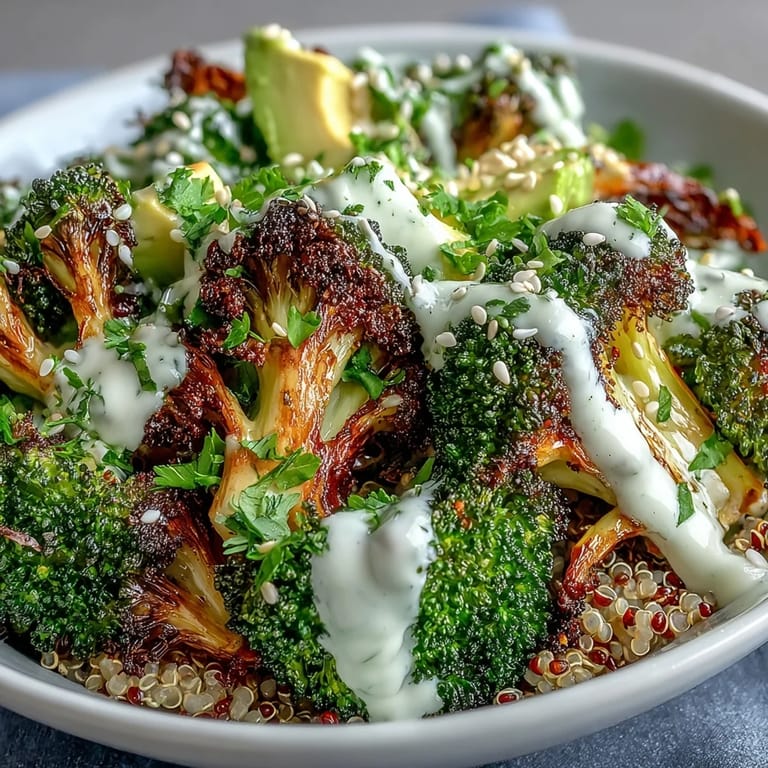
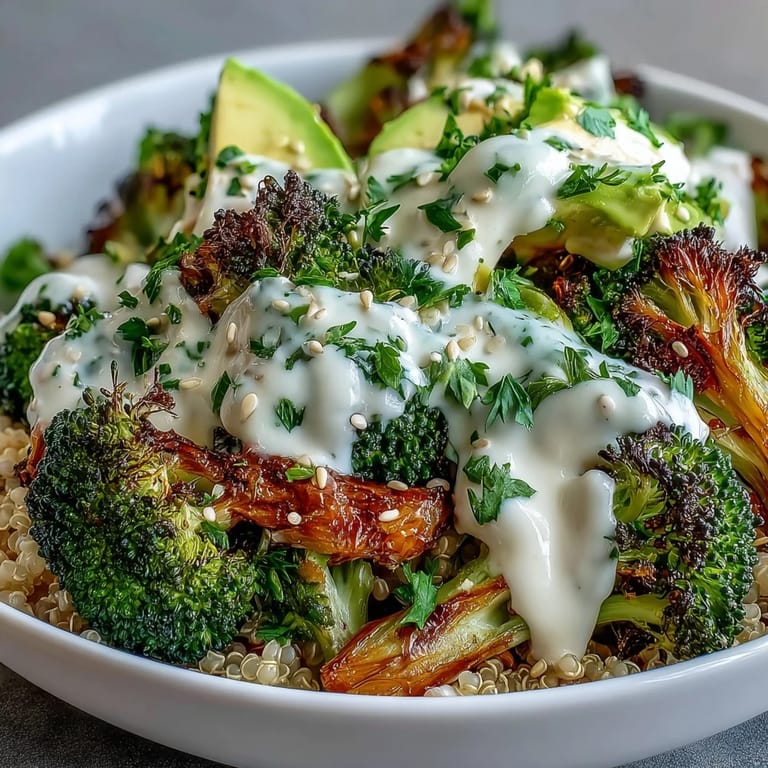
- Divide the cooked grains among four bowls and top with roasted broccoli and onions. Drizzle generously with tahini sauce, letting it pool in the grains and coat the vegetables.
- Garnish and serve:
- Sprinkle with toasted sesame seeds, chopped parsley, and add avocado slices and lemon wedges if you like. Serve warm and enjoy the contrast of textures and flavors in every bite.
 Save to Pinterest
 One Sunday afternoon, I packed these bowls into containers for the week ahead, labeling them with masking tape like a tiny meal prep factory. By Wednesday, I was genuinely excited to eat my lunch, which never happens with leftovers. The grains stayed fluffy, the broccoli kept its texture, and the tahini sauce tasted even better after sitting. That week, I realized meal prep doesn't have to mean boring, it just means planning for something you'll actually want to eat. This bowl proved that taking care of yourself can be simple, delicious, and something to look forward to.
Making It Your Own
This bowl is endlessly adaptable, a template more than a rigid recipe. Swap the quinoa for farro if you want something chewier, or use couscous when you're short on time. Add roasted chickpeas for protein, or grill tofu and toss it on top. I've stirred in roasted sweet potato cubes, swapped red onion for shallots, and even added a handful of arugula under the hot vegetables to wilt it slightly. The tahini sauce works on nearly everything, so make extra and keep it in a jar for salads, roasted carrots, or grain bowls throughout the week.
Storing and Reheating
Store the grains, roasted vegetables, and tahini sauce in separate airtight containers in the fridge for up to four days. Keep the toppings like avocado, parsley, and lemon wedges fresh and add them just before eating. When reheating, warm the grains and vegetables in the microwave or on the stovetop, then drizzle with cold or room temperature tahini sauce. The contrast between warm vegetables and cool, creamy sauce is actually wonderful. If the sauce has thickened in the fridge, whisk in a splash of water until it loosens up again.
Serving Suggestions
This bowl stands alone as a complete meal, but it also plays well with others. Serve it alongside warm pita bread or flatbread for scooping up extra tahini sauce. A simple side salad with lemon vinaigrette keeps things light and fresh. For a heartier spread, add hummus, baba ganoush, or a plate of marinated olives and pickled vegetables.
- Pair with a chilled sparkling water infused with lemon or cucumber for a refreshing contrast.
- Serve with a side of roasted chickpeas seasoned with cumin and paprika for extra crunch and protein.
- Offer hot sauce or chili oil on the side for anyone who likes a little heat.
 Save to Pinterest
 This bowl has become my go-to answer when I want something that feels like a treat but doesn't leave me sluggish or guilty. It's proof that eating well doesn't have to be complicated, expensive, or boring, just thoughtful and full of flavor.
Recipe FAQs
- → Can I meal prep this bowl?
Absolutely. Store cooked grains and roasted broccoli in separate airtight containers for up to 4 days. Keep the tahini sauce in a jar—give it a quick stir before serving. Add fresh toppings like avocado and parsley just before eating.
- → What other grains work well?
Farro adds a chewy texture, while couscous cooks quickly for weeknight meals. Cauliflower rice keeps it light and low-carb. Each grain brings its own character while complementing the roasted vegetables.
- → How do I get the broccoli really crispy?
Spread florets in a single layer without overcrowding the baking sheet. Roast at 425°F for those caramelized edges. Don't stir too frequently—let them develop that golden crunch on one side first.
- → Can I add protein?
Chickpeas roast beautifully alongside the broccoli. Grilled tofu or tempeh add substance. Even a poached egg nestled on top creates a rich, satisfying meal that stays vegetarian-friendly.
- → Is the tahini sauce adjustable?
Definitely. For a thinner consistency, add more water one tablespoon at a time. Extra lemon brightens it up, while more maple syrup balances the tanginess. The sauce also doubles as a dip for raw veggies.