 Save to Pinterest
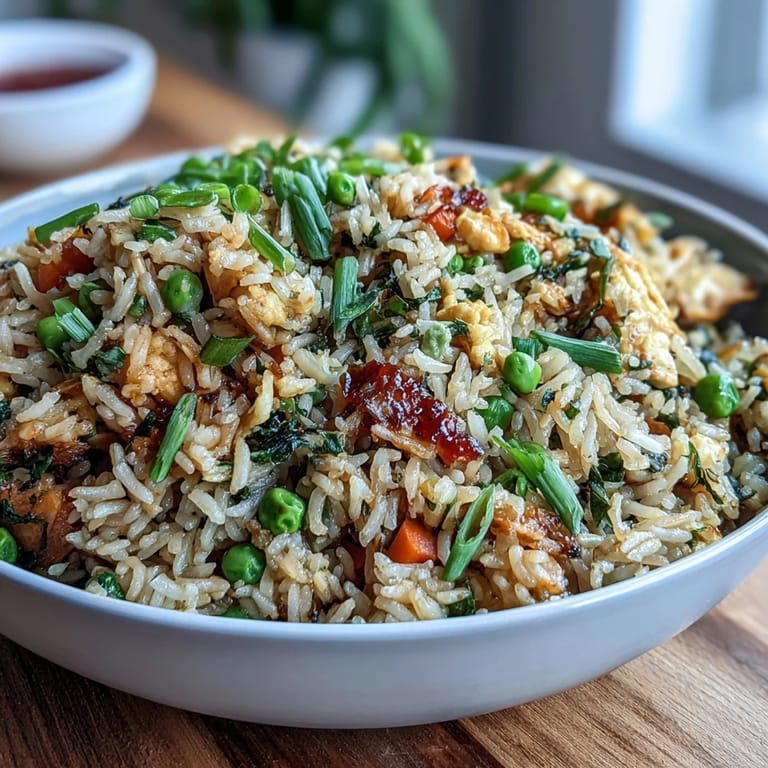
 There's something about the sizzle of cold rice hitting hot oil that feels like the beginning of something good, and this veggie-packed fried rice has been my go-to answer whenever I need dinner that tastes like I actually spent time in the kitchen. My neighbor once asked what that amazing smell was drifting over the fence, and when I explained it was just vegetables and day-old rice, she looked skeptical until I handed her a plate. Now she texts me for the recipe every other week.
I made this one spring evening when my partner came home exhausted from work, and instead of defaulting to our usual pasta rotation, I decided to use up the odds and ends from the crisper drawer. The whole thing took twenty minutes, and watching the kitchen fill with that toasted garlic and ginger aroma seemed to reset something in both of us. We ate straight from the pan sitting on the kitchen counter, and that's when I knew this recipe had to be a regular thing.
Ingredients
- 3 cups cooked jasmine or long-grain rice (preferably day-old, cold): Cold rice is essential because fresh rice releases too much moisture and turns mushy when you stir-fry it, so always plan ahead or refrigerate it for a few hours beforehand.
- 1 cup spring peas (fresh or frozen): Frozen peas actually work beautifully here since they're picked at peak ripeness, and they thaw gently in the residual heat without getting overcooked.
- 1 cup carrots, finely diced: The smaller the dice, the faster they soften and the more evenly they distribute throughout the rice.
- 1 red bell pepper, diced: Red peppers add sweetness and vibrancy, though any color works depending on what you have on hand or what mood you're in.
- 1/2 cup green onions, sliced (plus more for garnish): Save the white and light green parts for cooking and use the dark green tops as a fresh garnish that gets stirred in at the end.
- 1/2 cup corn kernels (optional): Fresh corn in summer tastes incredible here, but frozen kernels maintain their sweetness and save you the work of shaving them off the cob.
- 2 cloves garlic, minced: Mince it finely so it distributes throughout the rice and flavors every bite without leaving harsh chunks.
- 1-inch piece fresh ginger, minced: Ginger adds a warmth that ties everything together, and fresh always tastes cleaner than dried.
- 2 large eggs, lightly beaten (omit for vegan version): The eggs scramble into soft curds that become little pockets of richness throughout the rice.
- 3 tbsp soy sauce or tamari: Tamari works if you're avoiding gluten, and the umami depth is what makes this feel like restaurant-quality food.
- 1 tbsp toasted sesame oil: This is the secret that makes people ask what you did differently, so don't skip it or substitute it with regular sesame oil.
- 1/2 tsp freshly ground black pepper: Freshly ground always tastes sharper and more alive than pre-ground.
- 1 tsp sriracha or chili sauce (optional): Add this if you want a gentle heat that builds as you eat, or leave it out for something milder.
- 2 tbsp vegetable oil (such as canola or peanut): High-heat oils keep the rice from sticking and help develop those slightly crispy, caramelized edges that make this taste so good.
Tired of Takeout? 🥡
Get 10 meals you can make faster than delivery arrives. Seriously.
One email. No spam. Unsubscribe anytime.
Instructions
- Get everything prepped and in place:
- Mise en place is your secret weapon here because once things hit the hot pan, everything moves fast. Have your vegetables diced, garlic minced, eggs beaten, and rice broken up and ready to go.
- Start with the slowest vegetables:
- Heat a tablespoon of oil in your wok or large skillet over medium-high heat until it shimmers, then add the carrots and bell pepper. You want them to soften slightly but still maintain a little snap, which takes about two to three minutes.
- Wake up the aromatics:
- Add the minced garlic and ginger, stirring constantly for about thirty seconds until the smell hits you and makes your eyes water in the best way. Then toss in the peas and corn, stirring everything together for another minute.
- Scramble the eggs in:
- Push your vegetables to one side of the pan and add the remaining oil, then pour in the beaten eggs. Let them set for just a moment before scrambling them into soft curds, then mix everything together.
- Introduce the rice:
- Add all the cold rice to the pan and use your spatula to break up any clumps as you go, tossing everything together until the rice is coated in oil and beginning to warm through.
- Season and coat everything evenly:
- Drizzle in the soy sauce, sesame oil, and sriracha if you're using it, then crack black pepper over the top. Keep stirring for three to four minutes, listening for the occasional crack and pop as the rice starts to develop those golden, slightly crispy bits.
- Finish with fresh green onions:
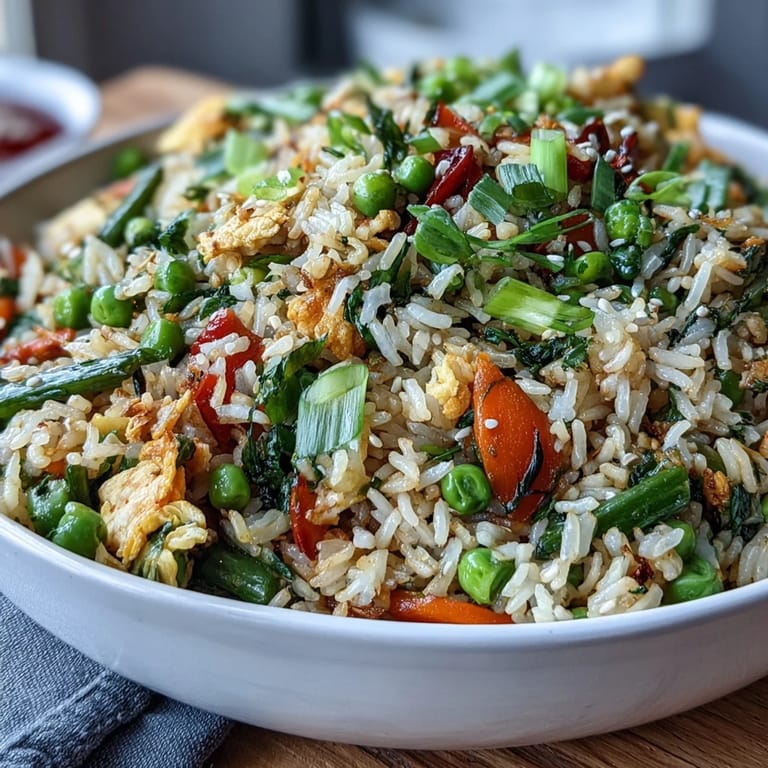
- Remove from heat and stir in the sliced green onion tops so they stay bright and add a fresh bite, then serve immediately with extra green onions scattered on top.
 Save to Pinterest
 What surprised me most about this recipe is how it became a template for using whatever I had instead of a rigid formula. My kids started requesting it, my friends asked for the recipe, and somehow it became the dish I make when I want to feel competent in the kitchen without any stress.
Making This Work for You
The beauty of fried rice is that it's endlessly adaptable, so think of this as a starting point rather than something you need to follow to the letter. Broccoli florets, snap peas, zucchini, mushrooms, or even leftover roasted vegetables all work beautifully, and you're just adjusting cooking times based on how long each vegetable takes to soften. I've made this with whatever vegetables looked good at the market that day, and honestly, the imperfect combinations sometimes taste better than when I stick to the original plan.
Protein Variations
If you want to make this more substantial, you have several options that don't require changing anything else about the recipe. Cubed tofu that you've sautéed in a separate pan until golden adds a satisfying texture, or crumbled tempeh brings an earthier flavor that pairs beautifully with the garlic and ginger. For a vegan version, scramble some firm tofu in place of the eggs, and honestly, nobody will miss them once the soy sauce and sesame oil do their work.
Storage and Reheating
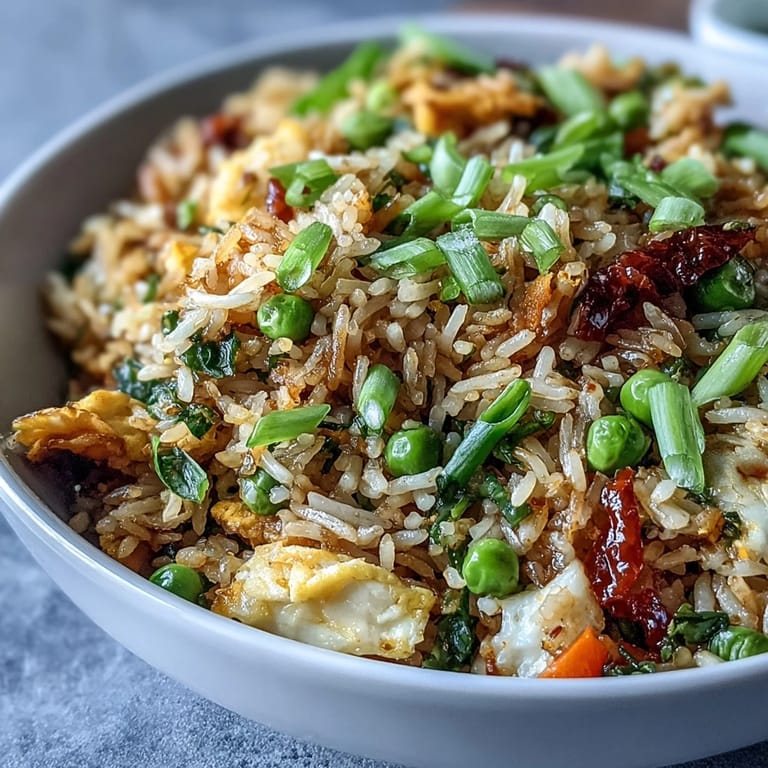
This reheats beautifully, though I rarely have leftovers because people tend to go back for seconds. If you do end up with some, store it in an airtight container in the fridge for up to three days, and when you're ready to eat it again, reheat it gently in a wok or skillet over medium heat with just a splash of water to revive the texture.
- A tiny drizzle of fresh sesame oil right before serving makes reheated rice taste freshly made.
- Cold fried rice also makes an excellent lunch served at room temperature if you're packing something for work the next day.
- Keep the garnish of fresh green onions for serving so people get that bright, crisp contrast to the warm rice.
 Save to Pinterest
 This recipe has become my weeknight reset button, the thing I make when I need to feel like I'm doing something right in the kitchen. Every time I cook it, I'm reminded that good food doesn't require complexity, just attention and the willingness to use what you have.
Recipe FAQs
- → What type of rice works best for this dish?
Day-old jasmine or long-grain rice is ideal for achieving a perfect texture and avoiding mushiness in the fried rice.
- → Can I substitute the eggs in this dish?
Yes, for a vegan option, simply omit the eggs or use scrambled tofu as a protein substitute.
- → What vegetables can I add or swap in?
Seasonal options like broccoli, zucchini, or snap peas work well and can be added based on preference.
- → How can I make this dish gluten-free?
Use tamari instead of soy sauce and ensure all additional sauces or seasonings are certified gluten-free.
- → What oils are best for stir-frying?
Vegetable oil like canola or peanut works well for high-heat stir-frying, with toasted sesame oil added for flavor at the end.
- → How to enhance protein content in the dish?
Add cubed tofu or tempeh by sautéing before mixing with rice for extra protein and texture.