 Save to Pinterest
 My first real encounter with ginger-scallion noodles happened on a gray Tuesday afternoon when my neighbor dropped off a container of leftovers from her family dinner. The aroma hit me before I even opened the lid—sharp, warm ginger cutting through the umami of soy sauce, with something almost floral about the scallion oil. That single bite made me realize how a handful of ingredients could taste so complete, so alive. Now I make it whenever I need to feel grounded or when friends show up hungry and unannounced.
I made this for my sister during her first week of a new job, when she was too tired to think about cooking. She ate two bowls standing up at my kitchen counter, and halfway through the second one, she actually smiled for the first time that week. That's when I understood that sometimes the best meals aren't the ones we labor over for hours—they're the ones that show up exactly when someone needs warmth and simplicity.
Ingredients
- Wheat noodles (lo mein, udon, or ramen): These absorb the sauce beautifully and have enough substance to stand up to the aromatic oil; I prefer lo mein for their silky texture, but ramen works if you want something heartier.
- Fresh ginger: The finely minced pieces are what give this dish its distinctive warmth and brightness—don't reach for ground ginger, as fresh is absolutely essential here.
- Scallions: Use the white and light green parts for the sauce itself, then save the dark green tops for garnish where their delicate flavor shines without getting lost.
- Garlic cloves: Finely minced so it distributes evenly and doesn't overpower; three cloves hits that perfect savory note without drowning out the ginger.
- Neutral oil: The vessel for blooming your aromatics—use something with a high smoke point like vegetable, canola, or grapeseed oil that won't impart its own flavor.
- Soy sauce: The backbone of umami; use tamari if you need gluten-free, and don't skimp on quality as it's tasted directly in the sauce.
- Rice vinegar: A gentle acidity that lifts the whole dish and prevents it from tasting flat or one-dimensional.
- Toasted sesame oil: Just a teaspoon adds a subtle nuttiness that rounds everything out—this is where the sauce gets its signature depth.
- Baby bok choy or leafy greens: Choose whatever is freshest at your market; the greens provide textural contrast and a hint of vegetal freshness that balances the rich sauce.
- Snap peas or snow peas: These keep their crunch and add a bit of sweetness, but you can substitute with green beans or broccoli florets if that's what you have.
- Toasted sesame seeds: The final flourish that catches light and adds a toasty, almost nutty dimension to each bite.
Tired of Takeout? 🥡
Get 10 meals you can make faster than delivery arrives. Seriously.
One email. No spam. Unsubscribe anytime.
Instructions
- Boil the noodles until tender:
- Cook them according to the package instructions, then drain and rinse under cold water to stop them from continuing to soften. Set them aside in a bowl so they're ready when you need them.
- Build your aromatics:
- In a heatproof bowl, combine the sliced scallions, minced ginger, and minced garlic, letting them sit quietly together while you prepare the oil. The contrast between these cold aromatics and the hot oil is what creates that magical bloom of flavor.
- Heat the oil until it shimmers:
- In a small saucepan over medium-high heat, warm your neutral oil until you see it begin to shimmer and move easily around the pan. This takes about 2–3 minutes and is the critical moment—you want it hot enough to smell fragrant but not smoking.
- Pour the hot oil over the aromatics:
- Carefully pour the hot oil over your scallion-ginger mixture; it will sizzle and pop, which is exactly what you want. The heat opens up all those flavors and infuses the oil with their essence.
- Finish the sauce:
- While everything is still warm, stir in the soy sauce, rice vinegar, sesame oil, sugar, and white pepper if using. Taste it and adjust—you might want more vinegar for brightness or a touch more soy for depth.
- Sauté the greens until just tender:
- In a large skillet or wok over medium-high heat, warm the oil and add your chopped bok choy and snap peas with a pinch of salt. Sauté for 2–3 minutes until they're vibrant and tender-crisp, with just a little give when you bite down.
- Bring it all together:
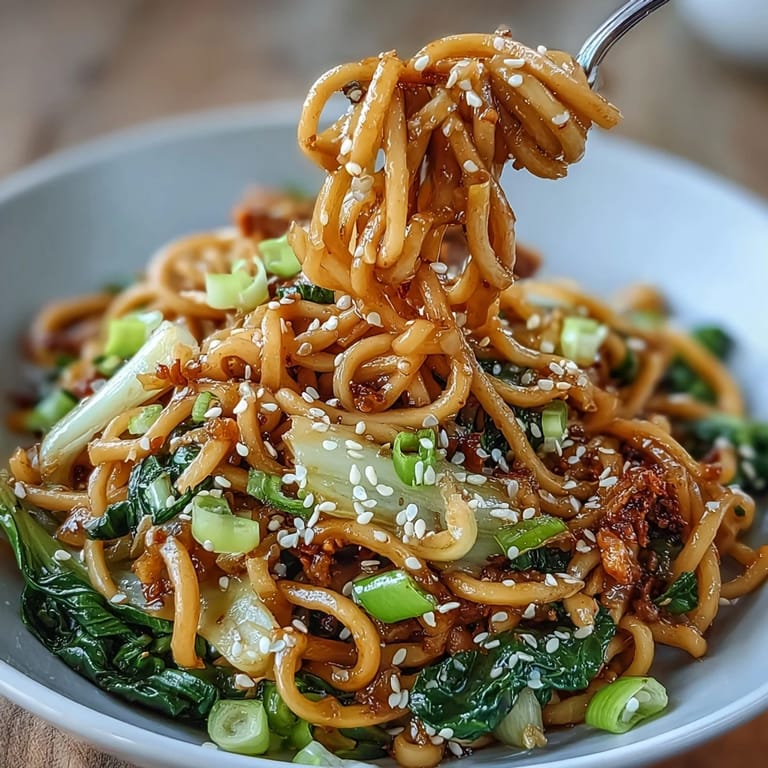
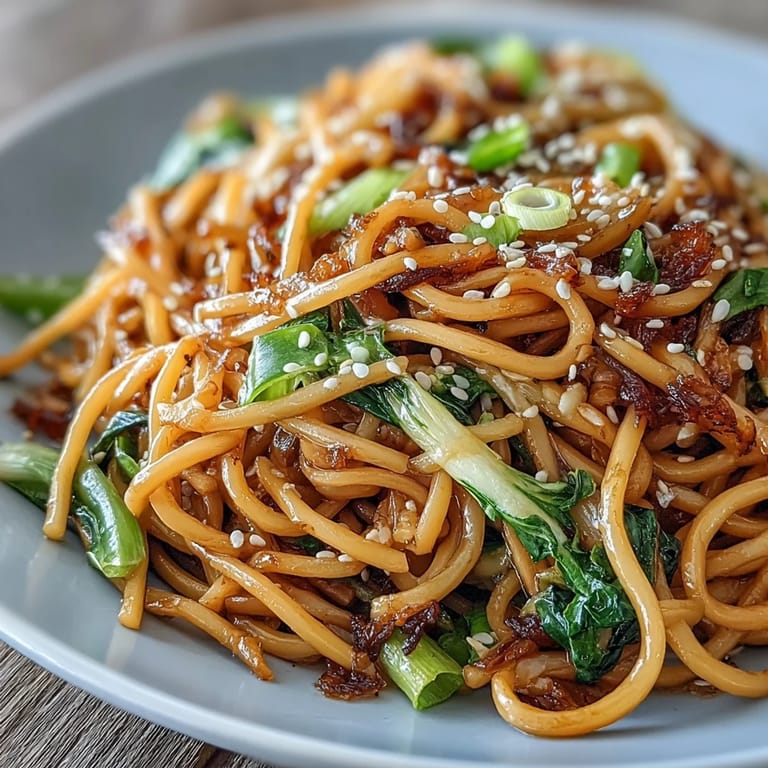
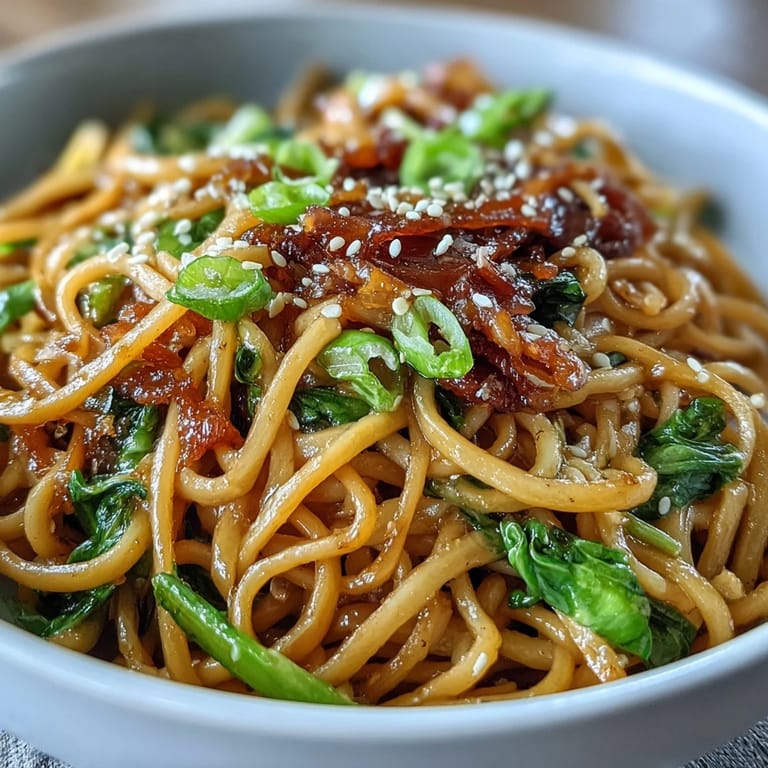
- Toss the cooled noodles with the ginger-scallion sauce until every strand is coated, then divide among bowls. Top each bowl with the sautéed greens, then scatter over the sesame seeds, extra scallions, and sliced chili if you like heat.
 Save to Pinterest
 There's something almost meditative about watching those aromatics hit the hot oil and transform into something aromatic and alive. The sound of that sizzle, the way the steam rises up with that unmistakable ginger-scallion perfume—it's a small moment, but it makes you feel like you're doing something intentional and right.
The Secret Behind the Sauce
The magic of this dish lives entirely in how the sauce is made, not just what goes into it. By blooming the aromatics in hot oil before combining them with the other ingredients, you're essentially infusing the oil with their essential flavors, which then coats every strand of noodle. This technique—pouring hot oil over raw aromatics—is an ancient method used across Asian cuisines, and it creates a sauce that tastes more vibrant and true to itself than if you simply mixed everything cold.
Why Fresh Ginger and Garlic Matter
I learned this the hard way after trying to rush a batch with pre-minced ginger from a jar. The dish tasted flat, one-dimensional, like it was missing something crucial. Fresh ginger root has volatile compounds that fade quickly once exposed to air, so when you mince it yourself just before cooking, you're capturing those bright, living flavors. The same applies to garlic—fresh cloves have a complexity and gentleness that bottled versions simply can't replicate, especially when they're going into a sauce meant to showcase delicate aromatics.
Customization and Variations
This recipe is a canvas more than a blueprint, which is why it's become such a trusted staple in my kitchen. Some nights I'll crisp up some tofu or add shredded rotisserie chicken for protein; other times I'll stir in a teaspoon of chili oil for heat or swap the snap peas for steamed broccoli. The framework is sturdy enough to handle whatever you have on hand, making it perfect for those moments when you need something nourishing but don't want to overthink it.
- Add a fried egg on top for richness and a soft yolk that acts like a sauce.
- Substitute any seasonal greens or proteins that appeal to you without changing the core flavors.
- Make it spicier by infusing the oil with dried chilies or stirring in chili-garlic paste before combining with the noodles.
 Save to Pinterest
 This dish has taught me that sometimes the most satisfying meals are the simplest ones, built on technique and quality ingredients rather than complexity. There's real comfort in a bowl of noodles that tastes this alive and this complete.
Recipe FAQs
- → What type of noodles work best?
Wheat noodles like lo mein, udon, or ramen provide a chewy texture, while rice noodles offer a gluten-free alternative with a lighter bite.
- → Can I substitute the greens?
Yes, baby bok choy can be swapped with spinach, kale, or chard to suit your preference or what’s available seasonally.
- → How is the ginger-scallion sauce prepared?
Freshly minced ginger, scallions, and garlic are combined, then hot oil is poured over to release aromas before mixing with soy sauce, rice vinegar, sesame oil, sugar, and a hint of white pepper.
- → Is it possible to add protein?
Tofu, tempeh, or shredded chicken can be added to boost protein and make the dish heartier without overpowering the delicate flavors.
- → How can I increase spiciness?
For extra heat, incorporating sliced fresh chili or chili oil into the sauce enhances the dish without altering its core flavors.