 Save to Pinterest
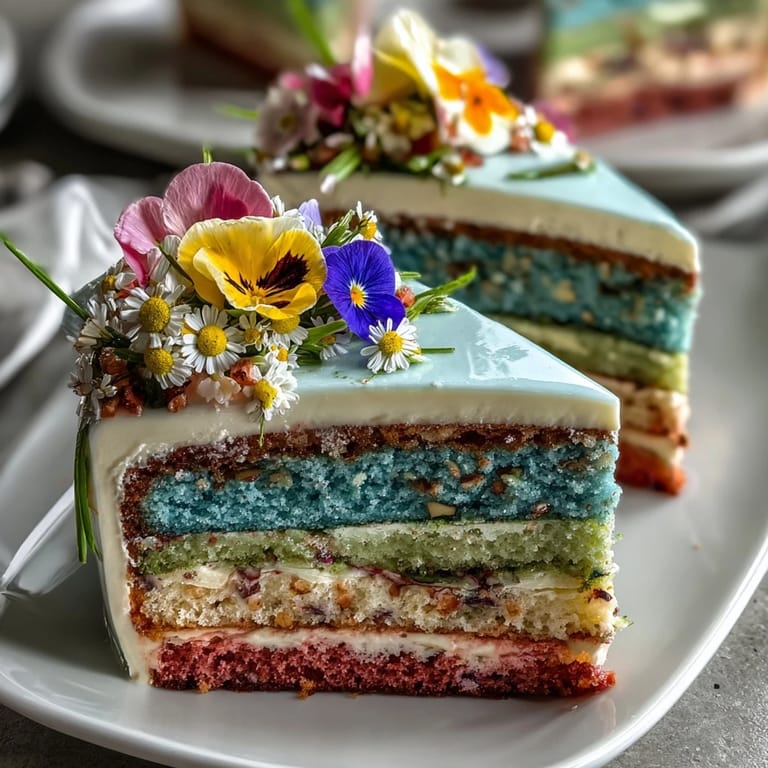
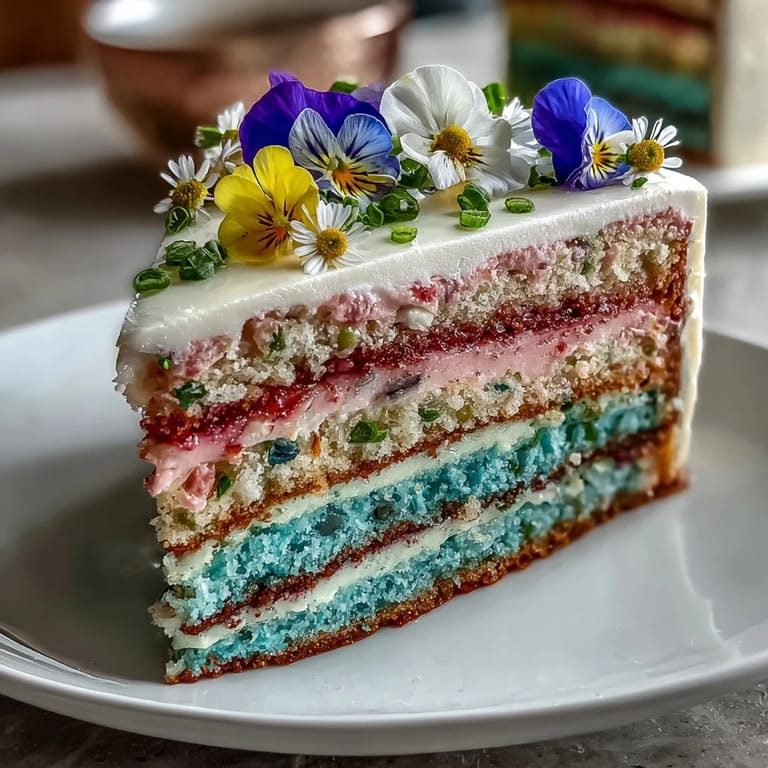
 A pastel ombre spring cake always brings back a memory of the first time I attempted cake decorating just because I caught a whiff of blooming jasmine through the kitchen window. I hadn't planned on making something extravagant, but sunlight streaming across my mixing bowl made all those gentle colors feel irresistible. When I layered those pale pinks and greens, the anticipation was almost as sweet as the vanilla batter itself. As I whisked, I learned how easily the mood changes once the counter is scattered with edible petals and the spring air is filled with soft laughter. Every time I bake this cake, it feels like a celebration—whether or not there's an occasion.
There was a chilly day last April when we baked this cake for a friend's birthday and the kitchen became a temporary garden. My sister and I debated which flowers to use, accidentally tasting a petal and deciding the violas were perfect. The cake layers cooled on the rack while we sang along to old pop songs, the scent of butter and vanilla drifting through the house. Everyone gathered around with mugs of tea for the reveal, gasping at how the ombre frosting shimmered under the floral crown. That little moment turned our table into the heart of spring, even with rain tapping outside.
Ingredients
- All-purpose flour: Accurate measuring is key—I spoon and level, never scoop, to keep the cake tender.
- Baking powder and baking soda: These balance lift and crumb, so I double-check their freshness before starting.
- Salt: A tiny pinch highlights the sweetness in both cake and buttercream.
- Unsalted butter: Room temperature lets it whip fluffy, but cold butter leaves streaks in your batter.
- Granulated sugar: The fine crystal texture helps create lightness as you cream it with the butter.
- Eggs: They hold the layers together and help achieve a soft, moist crumb.
- Pure vanilla extract: Skip imitation for that deep floral fragrance—it makes a difference.
- Whole milk: Room temp milk prevents curdling and ensures smooth batter blending.
- Gel food coloring: Only gel colors yield vivid pastels without watering down batters or buttercream.
- Powdered sugar: Sifting avoids lumps for perfectly smooth frosting every time.
- Edible flowers: Only organic, edible blooms—I learned to check labels after nearly grabbing decorative (not edible) petals once.
Tired of Takeout? 🥡
Get 10 meals you can make faster than delivery arrives. Seriously.
One email. No spam. Unsubscribe anytime.
Instructions
- Prep the pans:
- Grease and line your cake pans with parchment so layers pop out cleanly, plus it prevents any sticking surprises.
- Mix dry ingredients:
- Whisk flour, leaveners, and salt in a separate bowl; the airiness helps each layer rise evenly.
- Cream the butter and sugar:
- Beat until the mixture looks pale and fluffy—the sound of the mixer is your cue it's properly aerated.
- Add eggs and vanilla:
- Add eggs one at a time and stir in vanilla, with gentle mixing to avoid toughening the batter.
- Combine wet and dry:
- Alternate additions, starting and ending with flour, so the batter stays silky and doesn't split.
- Color and divide batter:
- Split evenly and tint each with gel colors; stir gently for a soft ombre blend but don't overmix.
- Bake the layers:
- Pour each colored batter into the pans, bake until a toothpick comes out clean, and cool briefly before turning out.
- Make pastel buttercream:
- Beat butter, gradually add powdered sugar and vanilla—adjust milk for your desired consistency, then tint with pastel shades.
- Level and assemble:
- Trim layers for even stacking, spread colored buttercream, and apply a crumb coat before chilling.
- Frost and decorate:
- Blend shades for a gradient finish, then top with carefully arranged edible flowers just before serving.
 Save to Pinterest
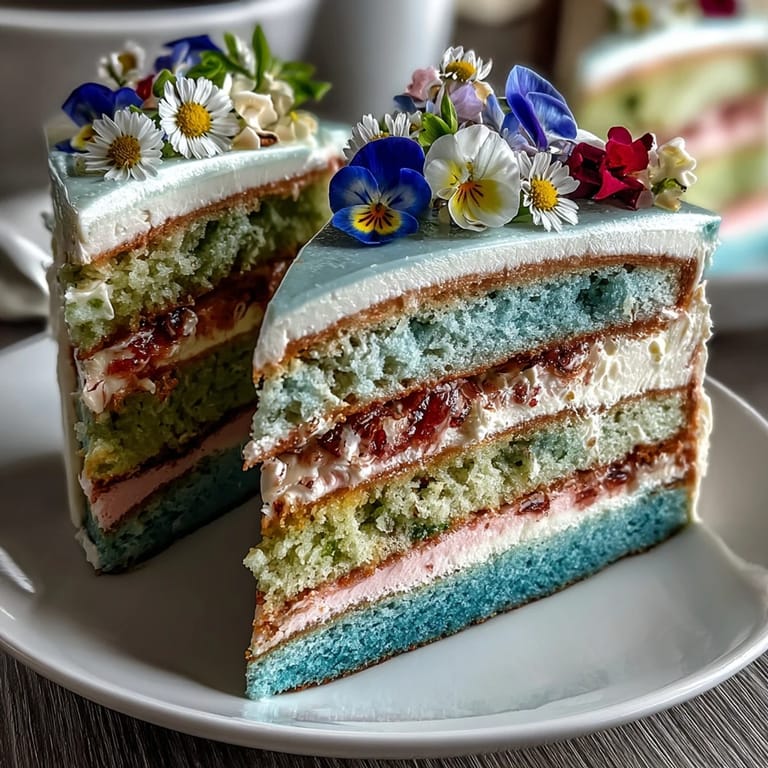
 Sharing the first slice at the kitchen counter felt like unveiling spring in cake form, and even those skeptical about flowers couldn't help grinning as petals tumbled onto plates. With each pastel layer, people lingered a bit longer—just chatting as crumbs and laughter made the moment unforgettable.
How To Get The Perfect Pastel Shades
Gel color intensity varies—dip the tip of a toothpick in the gel and add small amounts for gentle hues, swirling until you find that cloud-like pastel tone you imagined. I always test a dollop before mixing it through the whole batch; too much and the colors lose that airy softness. Lighting matters—mix in natural daylight to make sure you're seeing the true shade before baking. If you want deeper ombre drama, keep one bowl just a shade stronger. Getting pastel right is less about precision than trusting your eye as you go.
Edible Flowers That Work Best
Pansies give a pop of color while violas tuck neatly atop the frosting, and chamomile looks magical clustered around the edges. Organic roses lend softness and perfume—but remove any thick stems or bitter centers. I store the flowers in the fridge until ready and gently pat them dry so they stay crisp for decorating. Placing the blooms as a team makes it easier—one person arranges while another checks for gaps and symmetry. Always make sure guests know which petals are edible!
Making This Cake Ahead
Buttercream frosted cakes chill well overnight if you wrap them loosely in plastic and keep flower toppings in a separate container. The pastel layers stay moist for up to two days, and setting the cake in the fridge makes final decorating smoother. If pressed for time, assemble the layers and crumb coat, then finish ombre blending and flowers the morning of your event. Avoid adding flowers more than six hours before serving to prevent wilting.
- Bring cake to room temperature for true flavor.
- Save leftovers in an airtight container, and enjoy within three days.
- Wash and dry edible flowers gently—never soak them.
 Save to Pinterest
 Spring or not, making this cake turns any day into something bright, and it's the best excuse to pause and savor pastel beauty. Share it with friends or treat yourself—there's always magic hidden beneath each ombre slice.
Recipe FAQs
- → How do I achieve the perfect pastel ombre effect?
Divide batter and buttercream, then tint each portion with gel food coloring for vibrant, gradient pastel shades.
- → Can I use different edible flowers?
Yes, pansies, violas, roses, and chamomile work well. Ensure all flowers are organic and marked as edible.
- → What’s the best way to layer the cake evenly?
Level each layer with a knife and use a cake turntable. Spread buttercream evenly between layers for smooth stacking.
- → Is there a vegan option available?
Substitute plant-based butter, milk, and egg replacers for a vegan-friendly version while maintaining softness and flavor.
- → How should I store the cake?
Store in the refrigerator in an airtight container. Add edible flowers just before serving to keep them fresh.
- → Which tools are essential for decorating?
Use cake pans, electric mixer, spatulas, wire rack, and cake turntable for maximum precision and smooth results.