 Save to Pinterest
 My first encounter with shuwa came during a scorching afternoon in Muscat, when a Omani friend invited me to her family's cooking day. She pulled out massive banana leaves from her freezer with the kind of casual confidence that comes from generations of tradition, and explained that this dish was the centerpiece of celebrations—the kind of meal that demanded patience and rewarded you with meat so tender it dissolved on your tongue. Watching her work the spice paste into the meat with practiced hands, I realized this wasn't just cooking; it was an act of care that began a full day before the actual cooking even started.
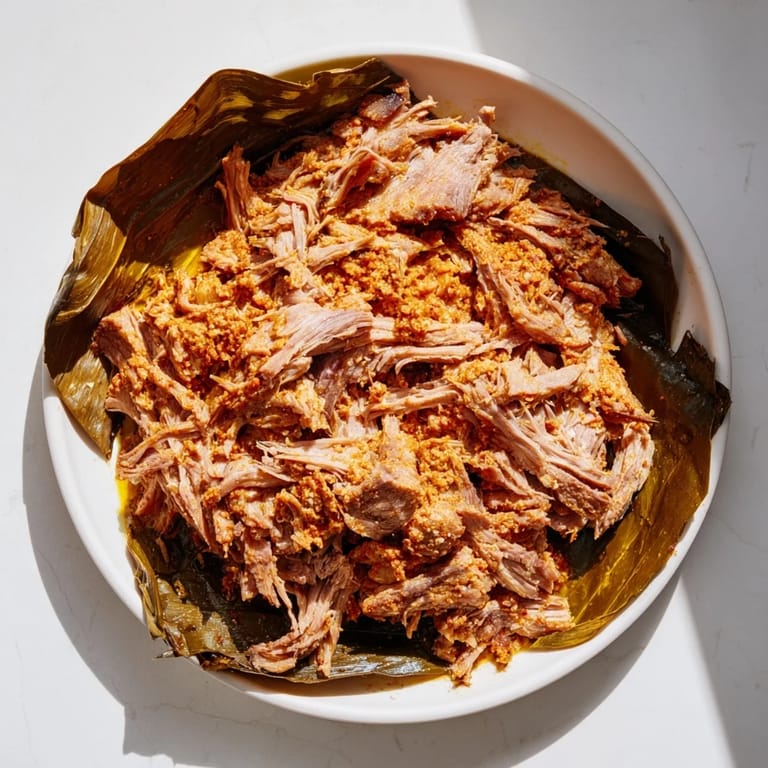
I made this for a dinner party on a quiet winter evening, and the moment I unwrapped those banana leaves at the table, my guests fell silent. The steam rose up carrying waves of cinnamon, cardamom, and clove, and someone actually said, "I've never smelled anything like this." That's when I understood why families in Oman make shuwa for weddings and major celebrations—it announces itself before you even taste it.
Ingredients
- Bone-in lamb shoulder or leg (2.5 kg): Bone-in cuts stay juicier and more flavorful during the long cook; the collagen breaks down into gelatin that enriches the meat itself.
- Garlic paste (4 tbsp): Fresh paste penetrates better than minced garlic and creates a more unified marinade—I learned this the hard way after trying whole cloves.
- Ginger paste (2 tbsp): The warmth of fresh ginger is essential here; ground ginger tastes flat by comparison and won't distribute evenly.
- Ground coriander (2 tbsp): This is the backbone spice that gives shuwa its signature flavor—don't skimp or substitute.
- Ground cumin (1.5 tbsp): Adds earthiness that prevents the dish from tasting too sweet despite the cinnamon.
- Ground cinnamon (1 tbsp): Use good-quality cinnamon; cheap stuff tastes musty and will throw off the whole balance.
- Ground cardamom (1 tbsp): This is expensive but non-negotiable for authentic flavor—no shortcuts here.
- Ground black pepper (1 tbsp): Freshly ground makes a real difference; stale pepper tastes like nothing.
- Ground cloves (2 tsp): A little goes a long way; measure carefully or the cloves will dominate everything else.
- Paprika (2 tsp): Adds gentle color and a whisper of smokiness without any real heat.
- Turmeric (1 tsp): A small amount adds complexity and helps the spices bind to the meat.
- Chili powder (2 tsp): Adjust this based on your heat preference; it's not meant to make the dish spicy, just warm.
- Salt (2 tsp): Taste and adjust; salt brings all the other spices into focus.
- White vinegar (1/4 cup): The acid helps tenderize the meat and keeps the spices fresh-tasting rather than muddy.
- Vegetable oil (1/4 cup): Carries the fat-soluble flavors and helps the paste coat the meat evenly.
- Lemon juice (2 lemons): Fresh lemon brightens everything and prevents the long cook from making the flavors taste tired.
- Banana leaves (4–6 large): These are genuinely worth hunting down at an Asian market; they impart a subtle sweetness and keep the meat impossibly moist.
- Kitchen twine or heavy-duty foil: Whatever you use, seal tightly or steam will escape and the meat will dry out.
Tired of Takeout? 🥡
Get 10 meals you can make faster than delivery arrives. Seriously.
One email. No spam. Unsubscribe anytime.
Instructions
- Build your spice paste:
- Mix all the marinade ingredients in a large bowl until they form a thick, fragrant paste. Smell it—you should recognize each spice individually before they meld together during cooking.
- Score the meat:
- Using a sharp knife, make deep cuts all over the lamb, spacing them about an inch apart. These cuts are where the magic happens; they give the marinade pathways into the dense meat.
- Massage in the marinade:
- This is the step where your hands become the tool. Rub the paste all over the meat with real pressure, working it into every cut and crevice until nothing is left in the bowl. Your fingers might smell like cardamom for a day, and that's the sign you did it right.
- Let time do the work:
- Cover the meat and refrigerate for 8–24 hours. Overnight is the minimum; 24 hours is better. During this time, the spices are slowly working their way into the meat fiber by fiber.
- Prepare your oven:
- Preheat to 160°C (320°F) about an hour before you're ready to wrap and cook. This low temperature is crucial—high heat would toughen the meat instead of tenderizing it.
- Wrap with care:
- If using banana leaves, soften them gently near heat so they're pliable. Wrap the marinated meat tightly, then secure with kitchen twine so nothing unravels. If using foil, use heavy-duty and create multiple layers for a strong seal.
- Roast low and slow:
- Place the wrapped meat in a deep roasting pan, cover with a lid or more foil, and roast for 4–6 hours. The exact time depends on your oven and the size of your meat; it's ready when a fork slides through without resistance. You might peek after 3 hours just to hear that gentle sizzle.
- Unwrap and serve:
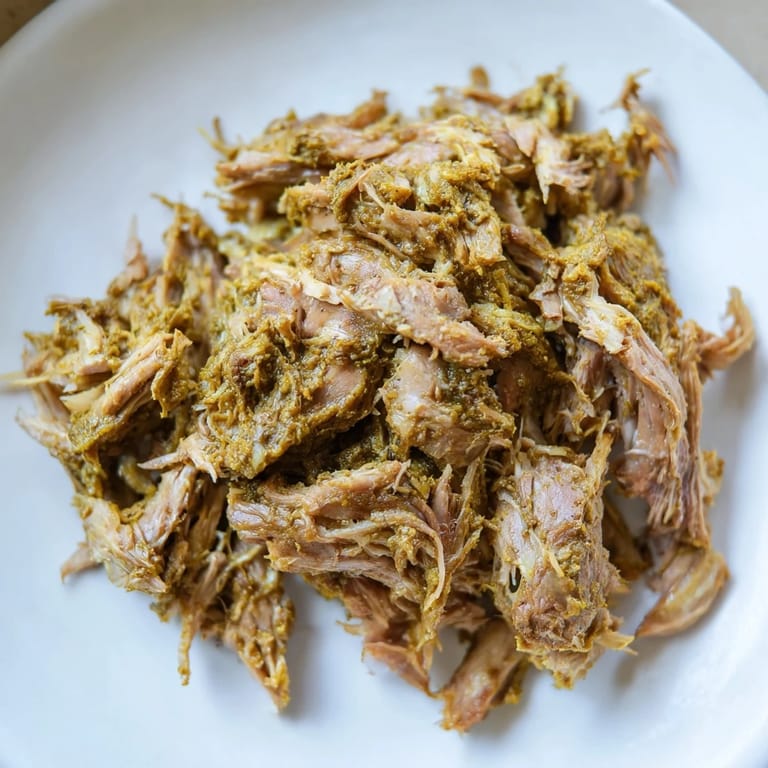
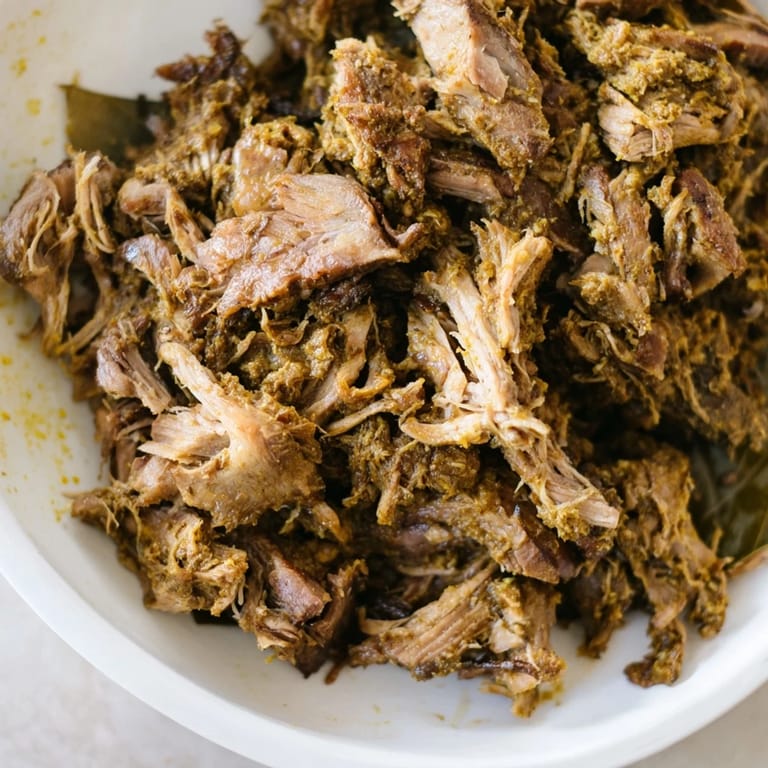
- Remove from the oven and unwrap carefully—the steam is hot and the aroma is intense. Shred the meat with two forks or carve it into chunks. Serve while still warm with rice or flatbread to soak up the juices.
 Save to Pinterest
 There's a moment halfway through cooking when you open the oven door and the smell hits you like a warm wave—that's when you know it's going to be worth the wait. I've started planning dinner parties around this dish just so I have an excuse to experience that moment again.
Why This Dish Matters Beyond the Kitchen
In Oman, shuwa is traditionally cooked in underground sand ovens for community celebrations, turning the cooking itself into an event that brings people together. This home version honors that spirit while fitting into a modern kitchen, but the principle remains the same: slow cooking transforms simple ingredients into something that tastes like celebration. Making it once changes how you think about patience in cooking forever.
Adapting Shuwa to Your Pantry
If you cannot find banana leaves, parchment paper works acceptably and foil works in a pinch, though you'll lose some of that subtle leafy sweetness. For the meat itself, goat is more traditional than lamb in some parts of Oman, and beef shoulder works beautifully if lamb is unavailable—just add 30 minutes to the cooking time. The spice blend is flexible within reason; if you despise cloves, use less, but do not skip the cardamom or this becomes a different dish entirely.
What to Serve Alongside
Serve this with plain rice or flatbread to soak up the incredible spiced juices—the meat by itself is rich enough that you do not need heavy sides. A simple tomato and cucumber salad cuts through the richness perfectly, and a dollop of yogurt (plain or mixed with fresh herbs) provides cool contrast. Some families drizzle extra oil over the rice and sprinkle the meat over top, turning it into a one-plate feast.
- Make extra rice; you will want to use it to capture every drop of those spiced juices.
- If you have fresh cilantro or parsley, scatter it over the meat just before serving for brightness.
- Leftover meat keeps for three days refrigerated and tastes even better when reheated gently on the stove with a splash of water.
 Save to Pinterest
 This dish rewards patience in a way that few recipes do, and once you taste what four to six hours of gentle heat can do to meat and spices, you will understand why it remains a celebration centerpiece across the Arabian Peninsula. Make it once, and it becomes part of your cooking repertoire forever.
Recipe FAQs
- → What type of meat is best for Omani Shuwa?
Bone-in lamb shoulder or leg is traditional, but beef or goat can also be used for a tender, flavorful result.
- → Why wrap the meat in banana leaves?
Banana leaves help retain moisture during slow cooking and impart subtle, aromatic flavors to the meat.
- → How long should the meat marinate?
Marinate the meat between 8 and 24 hours to allow the spices and acidity to deeply penetrate and tenderize it.
- → Can I substitute banana leaves if unavailable?
Parchment paper or heavy-duty foil can be used as alternatives, but they won’t add the distinctive flavor of banana leaves.
- → What is the ideal cooking temperature and time?
Slow roasting at 160°C (320°F) for 4 to 6 hours ensures the meat becomes meltingly tender and infused with spices.
- → How should Omani Shuwa be served?
It pairs well with spiced rice, fresh salad, and yogurt-based sauces for a balanced and flavorful meal.