 Save to Pinterest
 My neighbor brought over a pot of mung bean soup on a particularly gray Tuesday, the kind of day where everything feels heavy and your immune system seems to be waving a white flag. She'd made it using her family's recipe, and after just one bowl, something shifted—I felt genuinely nourished in a way that fancy meals never quite manage. That soup taught me that sometimes the most powerful food is the simplest, the kind that tastes like it knows exactly what your body needs.
I made this soup for my roommate once when she was dealing with that persistent cold that just wouldn't quit, the kind where you're tired of being sick and tired. She sat at the kitchen counter while I chopped vegetables, and we talked about everything except the cold while the spices filled the apartment with this warm, golden smell. By the time she'd finished her second bowl, she was laughing again, and I realized I'd accidentally stumbled into something that felt almost medicinal in the best possible way.
Ingredients
- Mung beans (1 cup, dried and soaked): The quiet hero here—they cook soft and creamy without falling apart, and soaking them first means they'll actually get tender in the time the recipe promises.
- Onion, garlic, and ginger (the aromatic trio): These three create the flavor foundation that makes people say the soup tastes like it's been simmering for hours even though it hasn't.
- Carrots and celery: They add natural sweetness and body to the broth, and they soften enough to almost melt into the soup if you like it that way.
- Cumin seeds: Toast them first for maybe a minute—that's when they wake up and release their flavor, completely changing the entire pot.
- Turmeric, coriander, black pepper, and cinnamon: This spice blend is what transforms simple beans and vegetables into something that tastes intentional and special.
- Vegetable broth or water: Broth adds depth, but honestly, water works fine and lets the spices and vegetables shine.
- Fresh cilantro and lemon juice: These final touches brighten everything up—the cilantro adds that garden-fresh note and the lemon cuts through the richness beautifully.
Tired of Takeout? 🥡
Get 10 meals you can make faster than delivery arrives. Seriously.
One email. No spam. Unsubscribe anytime.
Instructions
- Toast your cumin seeds:
- Heat your pot over medium heat and add the cumin seeds directly, listening for them to pop and crackle just slightly—this is when you'll smell that warm, nutty aroma that signals they're ready. This one minute makes a real difference in the final flavor.
- Build your flavor base:
- Add the chopped onion, minced garlic, and grated ginger to the toasted cumin and let them soften together for 3–4 minutes, stirring occasionally so nothing sticks. Your kitchen will smell like something wonderful is about to happen.
- Add the vegetables:
- Toss in the diced carrots and celery, cooking for another couple of minutes until they start to soften slightly and their sweetness begins to emerge. This is where the soup starts feeling less like separate ingredients and more like a unified dish.
- Bloom the spices:
- Stir in the turmeric, coriander, black pepper, cinnamon if you're using it, and the bay leaf, cooking just for about a minute so the spices warm up and infuse into the oil. You'll notice the color deepening and the aroma becoming more complex.
- Combine everything:
- Add your soaked mung beans, chopped tomato, and vegetable broth or water, stirring everything together so nothing settles at the bottom. This is the point where it really starts to look like soup.
- Simmer low and slow:
- Bring it to a boil first, then drop the heat down to low, cover it, and let it bubble gently for 35–40 minutes until the beans are completely soft and creamy. You can check them after 30 minutes if you're unsure—they should break easily when you press them against the side of the pot.
- Finish and adjust:
- Fish out the bay leaf, then add salt and lemon juice, tasting as you go because every stove cooks differently and your vegetables might have been sweeter or less sweet than expected. This is your moment to make it exactly right for your taste.
- Serve with love:
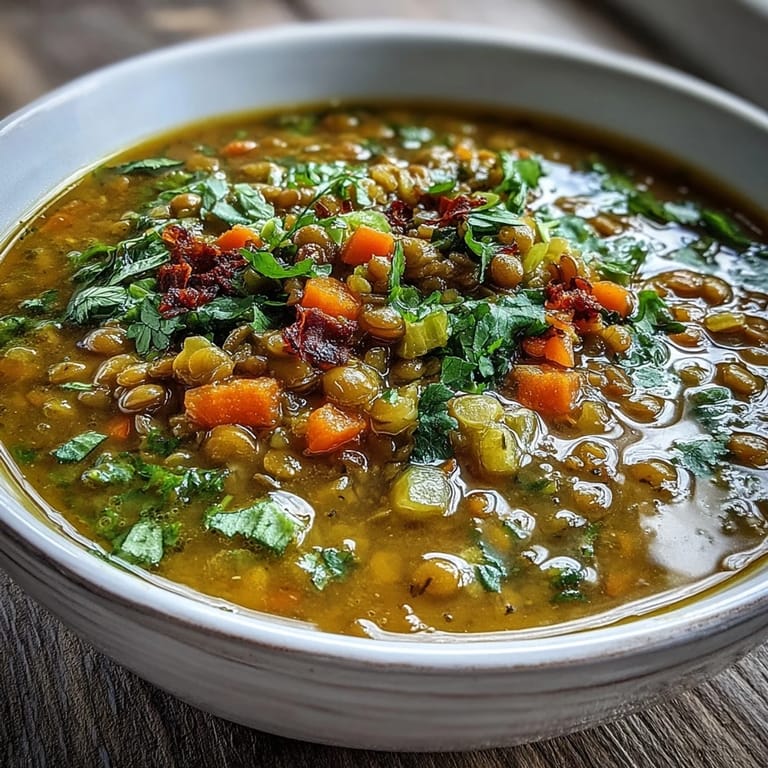
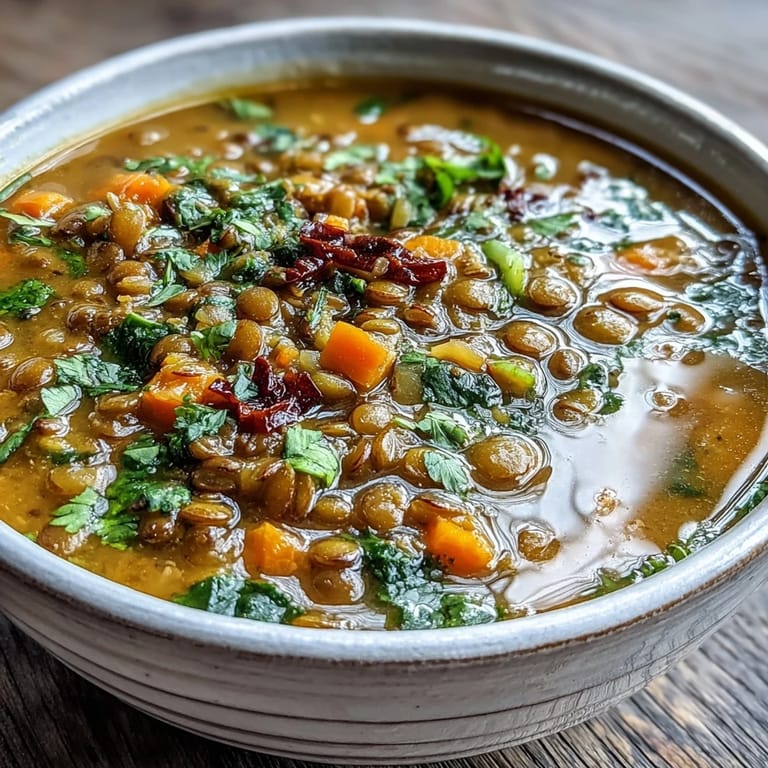
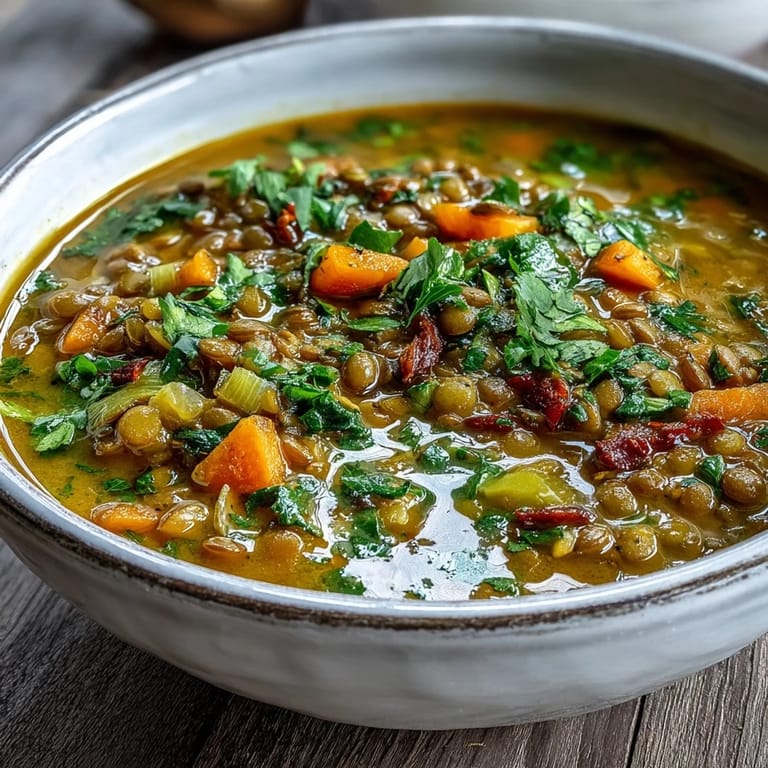
- Ladle it into bowls and scatter fresh cilantro on top, letting the heat release its bright, herby smell right up to your face. Serve immediately while everything's still steaming.
 Save to Pinterest
 There was this one evening when I made this soup and my sister stopped by unexpectedly, and she ended up staying for three bowls while we caught up on months of missed conversations. That's when I realized this soup has this quiet way of making people want to linger, to sit a little longer, to maybe tell you something they've been holding onto.
When to Reach for This Soup
Make this soup when you're feeling run down and need something restorative, or when the seasons are changing and your body feels confused about what it needs. It's also perfect for meal prep because it keeps beautifully in the fridge for about four days and actually tastes better the next day once all the flavors have gotten to know each other.
Variations Worth Trying
Once you've made this soup a few times and know how it tastes, you can start playing with it—add a splash of coconut milk in the last 10 minutes if you want it richer and more luxurious, or throw in a diced green chili when you add the onions if you like heat. Some people add spinach or kale in the final few minutes, and it wilts right into the broth and adds another layer of nourishment.
Serving and Storage Wisdom
This soup pairs beautifully with warm naan for dipping or steamed rice to make it a complete meal, though honestly it's substantial enough to stand on its own. It reheats gently on the stove over medium-low heat, and you might need to add a splash of water as it simmers because the mung beans absorb liquid as they sit.
- Store leftovers in an airtight container in the fridge for up to four days, and it actually develops more flavor overnight.
- You can freeze it for up to two months, though the texture of the beans becomes slightly softer when thawed, which some people actually prefer.
- Always let it cool completely before storing so condensation doesn't dilute the flavors.
 Save to Pinterest
 This soup has a way of reminding you that healing food doesn't need to be complicated or fancy, just thoughtfully made with ingredients that actually care about how you feel. Every bowl is a small act of kindness toward yourself or whoever you're feeding.
Recipe FAQs
- → Do I need to soak mung beans before cooking?
Yes, soaking dried mung beans for at least 2 hours helps them cook more evenly and reduces cooking time. You can also soak them overnight for even better results and easier digestion.
- → Can I make this soup in an Instant Pot or pressure cooker?
Absolutely. Cook on high pressure for 15-20 minutes, then allow natural pressure release. The beans should be perfectly tender and the flavors well blended.
- → How long does this soup keep in the refrigerator?
Stored in an airtight container, this soup will keep for 4-5 days in the refrigerator. The flavors actually develop and improve over time. It also freezes well for up to 3 months.
- → What can I serve with mung bean soup?
Warm naan bread, steamed basmati rice, or roti make excellent accompaniments. The soup is hearty enough to stand alone as a complete meal, especially when topped with fresh cilantro.
- → Is this soup suitable for meal prep?
Perfect for meal prep. Make a batch on Sunday and portion into containers for easy lunches throughout the week. The soup reheats beautifully on the stovetop or in the microwave.