 Save to Pinterest
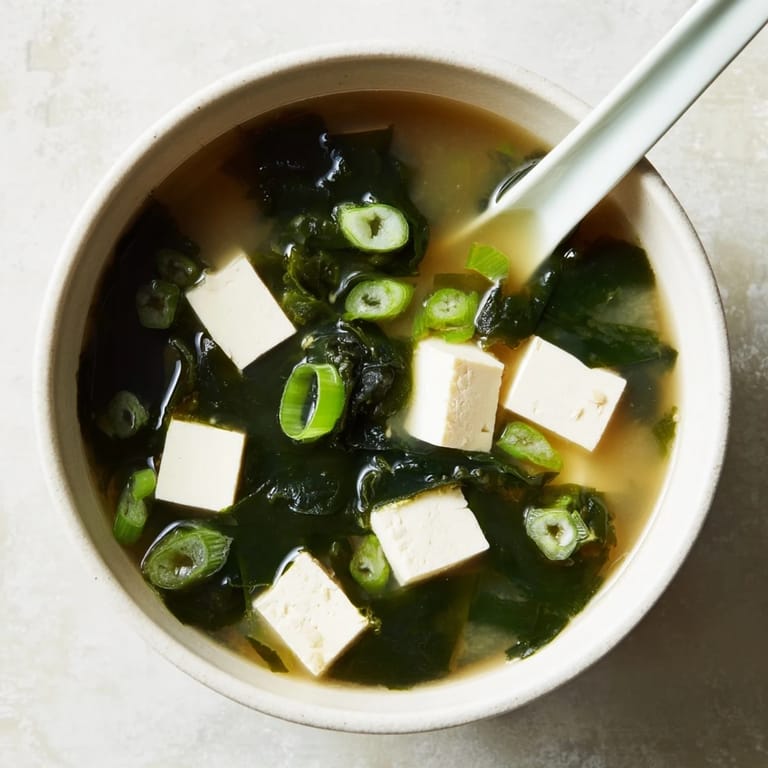
 The first time I attempted miso soup in my tiny studio apartment, I boiled the miso paste directly in the broth like it was a bouillon cube. The result tasted strangely harsh and almost metallic, leaving me wondering why restaurant versions tasted so much better. Later, a Japanese friend gently explained that miso is a living food and boiling destroys its delicate flavors and beneficial enzymes. That small completely changed my approach, and now this soup has become my go-to comfort meal during stressful weeks when something warm and gentle feels essential.
Last winter my partner came down with a terrible cold and nothing seemed appealing to eat. I made a double batch of this miso soup, adding extra ginger and some sliced mushrooms for depth. They sat up in bed, took one sip of the steaming broth, and finally smiled for the first time in days. Since then, whenever someone around me feels under the weather, this is the first recipe that comes to mind.
Ingredients
- 4 cups dashi stock: The foundation of authentic miso soup, vegetarian dashi made from kombu seaweed works beautifully if you avoid fish products
- 3 tablespoons miso paste: White or yellow miso offers a milder sweeter flavor while red miso brings deeper intensity, feel free to experiment with blends
- 200 g silken tofu: This delicate tofu variety practically melts in your mouth, handling it gently prevents breaking into unwanted crumbles
- 2 tablespoons dried wakame: A brief soak transforms these crunchy dried flakes into tender silky ribbons that add ocean depth and minerals
- 2 scallions: Fresh green onion tops provide a bright crisp contrast to the savory warm broth
Tired of Takeout? 🥡
Get 10 meals you can make faster than delivery arrives. Seriously.
One email. No spam. Unsubscribe anytime.
Instructions
- Warm the dashi gently:
- Bring your dashi stock to a gentle simmer over medium heat, watching carefully for tiny bubbles around the edges
- Prepare the wakame:
- While the broth warms, soak the dried seaweed in cold water for about five minutes until it softens and expands
- Dissolve the miso separately:
- Whisk the miso paste with a ladleful of hot dashi in a small bowl until completely smooth and lump free
- Add tofu and seaweed:
- Gently slip the tofu cubes and drained wakame into the simmering broth and let them warm through for two to three minutes
- Combine off the heat:
- Remove the pan from heat completely before stirring in the dissolved miso mixture to preserve its beneficial enzymes and delicate flavor
- Serve with freshness:
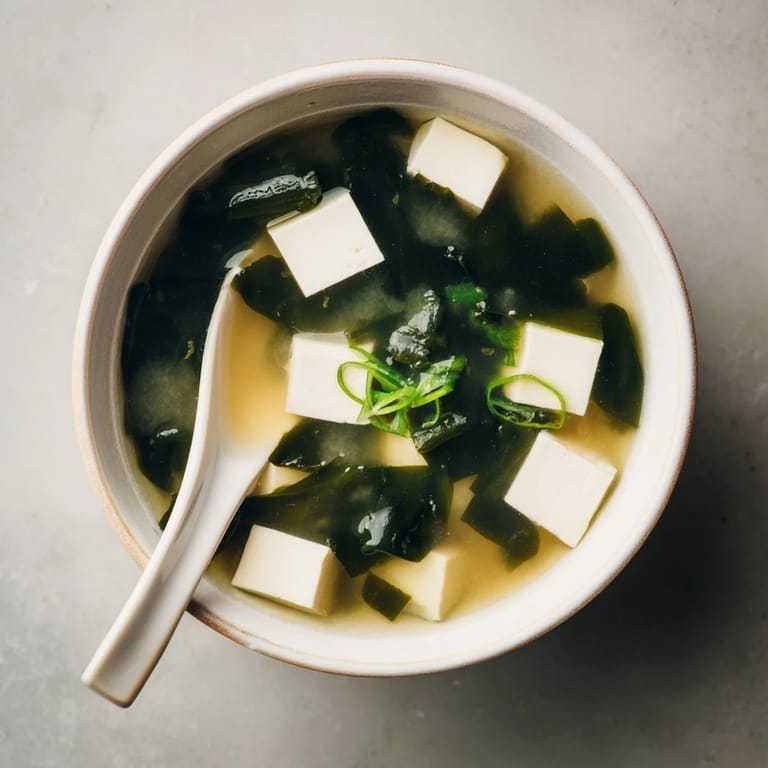
- Ladle the hot soup into bowls immediately and scatter scallion slices across the top for a pop of color and mild onion bite
 Save to Pinterest
 This recipe became part of my weekly rotation after I discovered how easily it adapts to whatever vegetables need using from my crisper drawer. Sometimes it is just tofu and seaweed, but other times it hosts baby spinach, shiitake mushrooms, or even sweet corn kernels. The ritual of preparing it has become a small meditation in my day.
Building Better Broth
Homemade dashi from kombu and dried shiitake mushrooms transforms this soup into something extraordinary, though quality store bought versions work perfectly fine for busy evenings. I keep several containers of instant vegetarian dashi granules in my pantry for exactly these moments when comfort is needed without delay.
Miso Variations
White miso offers the gentlest introduction with its sweet mellow profile, while red miso brings bold earthy intensity that stands up beautifully to heartier additions. My pantry usually holds three or four varieties, and I often blend them to create exactly the flavor balance my mood requires.
Make It Your Own
This soup welcomes countless variations while remaining fundamentally comforting and familiar. The basic template works with whatever you have or crave.
- Thinly sliced mushrooms add meaty texture and extra umami depth
- Baby spinach leaves wilt beautifully into the hot broth for added nutrition
- A drizzle of sesame oil just before serving adds wonderful nutty richness
 Save to Pinterest
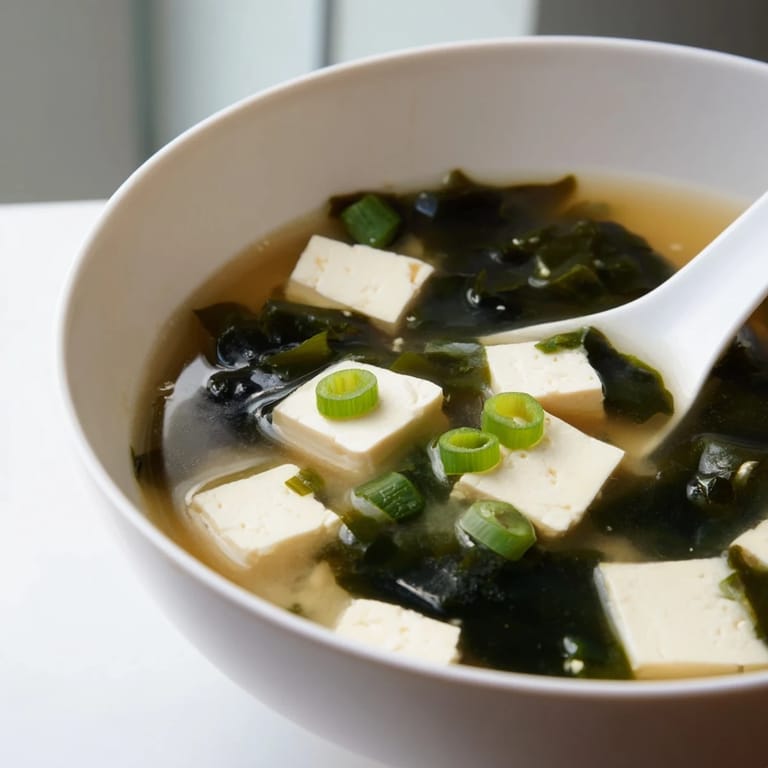
 A bowl of this soup reminds me that some of the most nourishing foods are also the simplest to prepare. I hope it brings you the same quiet comfort it has brought me over countless evenings.
Recipe FAQs
- → What type of miso works best?
White miso (shiro miso) offers the mildest, sweetest flavor ideal for this preparation. Yellow miso provides slightly more depth. You can combine both for complexity, though red miso may overpower the delicate broth.
- → Why not boil miso?
Boiling miso paste destroys its beneficial probiotics and enzymes, while also creating an unpleasant texture. Always remove the broth from heat before stirring in dissolved miso to preserve its nutritional benefits and smooth consistency.
- → Can I make this vegan?
Absolutely. Replace traditional bonito-based dashi with kombu (kelp) and shiitake mushroom stock. Most miso pastes are naturally vegan, though always verify the ingredients list to ensure no fish-derived additives are present.
- → How should I store leftovers?
Refrigerate in an airtight container for up to 2-3 days. Note that tofu continues to absorb liquid, so the broth may reduce. Reheat gently without boiling to maintain miso's beneficial properties and tofu's delicate texture.
- → What vegetables can I add?
Thinly sliced shiitake mushrooms, baby spinach, or chopped bok choy complement the base beautifully. Add hardier vegetables like carrots or daikon radish during simmering, but delicate greens should be stirred in just before serving.
- → Is silken tofu necessary?
Silken tofu's custard-like texture creates the most authentic experience, but firm tofu works if you prefer more structure. Pressing firm tofu beforehand prevents excess moisture from diluting the carefully balanced dashi broth.