 Save to Pinterest
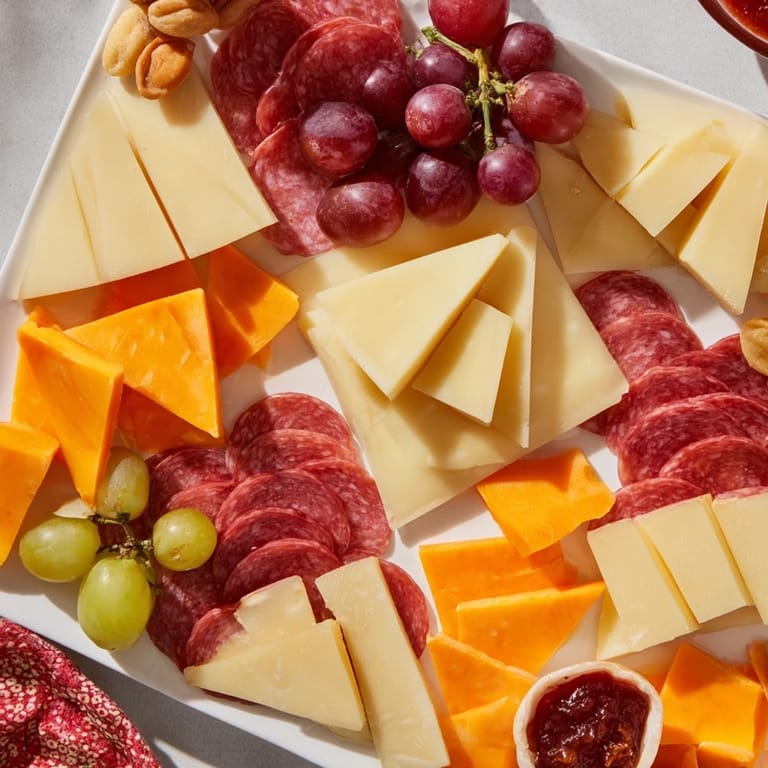
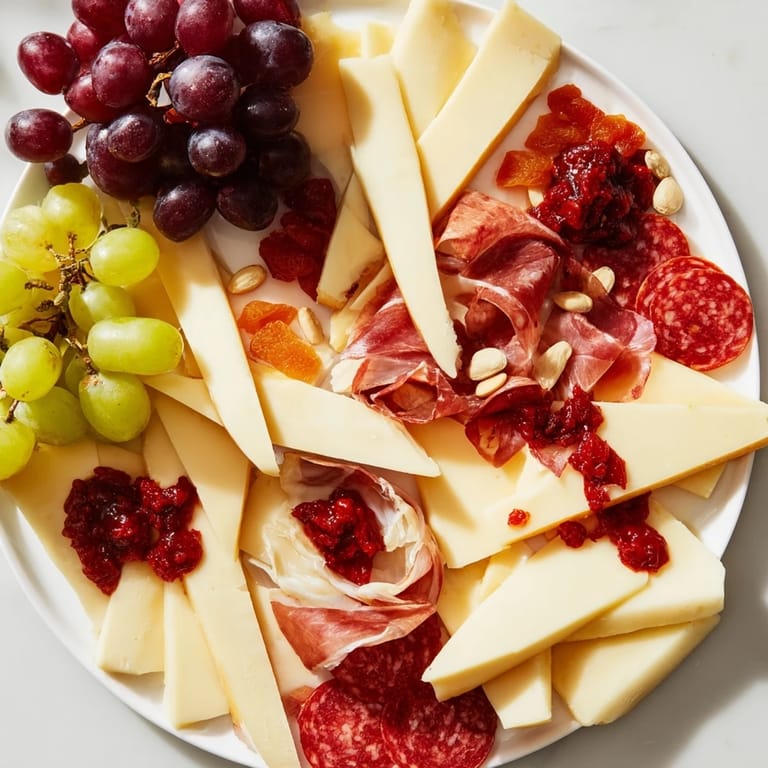
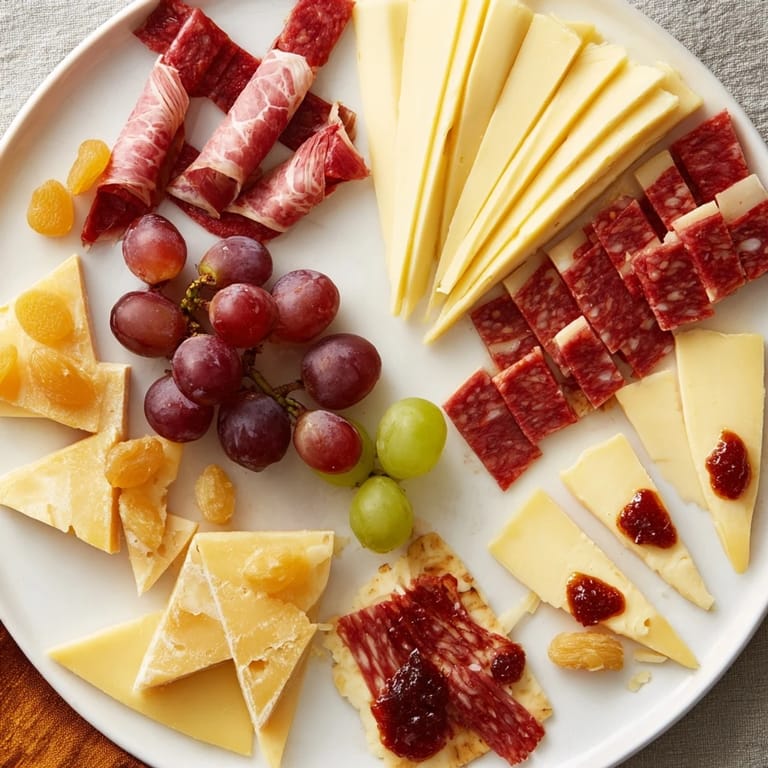
 I discovered the power of a sharp knife and geometric precision on a rainy afternoon when I was scrambling to impress some designers visiting from out of town. Instead of the usual sprawling charcuterie board, I decided to make every cut deliberate—triangles, rhombuses, a visual pattern. My hands were nervous at first, but something magical happened when I stepped back: the board looked like edible modern art, and suddenly everyone was photographing it before they even tasted anything. That's when I realized that sometimes the simplest ingredients, treated with intention, become something unforgettable.
My friend Marco walked into the kitchen mid-prep and laughed when he saw me measuring angles with my fingers. He thought I was overthinking it until the board was finished, and then he went quiet in that way people do when they see something beautiful. He photographed it from three different angles before eating a single thing, and that moment—watching someone appreciate the work without needing elaborate flavors—taught me that restraint and intentionality can be more delicious than complexity.
Ingredients
- Manchego cheese: This Spanish hard cheese holds its shape beautifully when cut and has a subtle, slightly salty flavor that anchors the board without overwhelming anything else.
- Aged cheddar: The firmness is key here—it cuts into clean triangles and provides a confident, familiar flavor that grounds the more adventurous elements.
- Brie: Chill it well before cutting so it stays firm enough to maintain its wedge shape; a room-temperature brie collapses into a puddle, which ruins the entire visual.
- Gruyère: Its nuttiness plays beautifully against the geometric restraint, and it cuts into those rhombuses with satisfying precision.
- Prosciutto: Paper-thin slices folded into triangles add elegance and a delicate saltiness that doesn't fight for attention.
- Soppressata: This cured Italian meat has enough structure to trim cleanly, and its spiced flavor adds depth to the first bite.
- Chorizo: The diagonal slice into rhombuses showcases its color and brings a gentle heat that builds quietly.
- Grapes and apricots: These provide sweetness and brightness; their rounded shapes create visual rhythm against all those sharp angles.
- Marcona almonds: Buttery and slightly sweet, they fill empty spaces while adding texture and a nutty richness.
- Fig jam: A small spoonful bridges sweet and savory in a way that feels intentional, not accidental.
- Gluten-free seed crackers: Breaking them into triangles keeps the theme consistent and makes them feel part of the composition rather than an afterthought.
- Fresh herbs: A single sprig of rosemary or thyme adds aromatic intrigue and looks like a finishing touch that someone actually planned.
Tired of Takeout? 🥡
Get 10 meals you can make faster than delivery arrives. Seriously.
One email. No spam. Unsubscribe anytime.
Instructions
- Sharpen your blade and steady your hand:
- A dull knife will crush the cheese instead of cutting it cleanly, which ruins everything. Take a moment to really sharpen your knife, then make slow, deliberate cuts—rushing here is where people stumble.
- Cut cheeses into triangles and rhombuses with care:
- Manchego, aged cheddar, and brie should become clean triangles; gruyère becomes rhombuses. If a cut starts to crumble, you've hit a pocket of air or aged section—just adjust your angle slightly and try again.
- Slice and trim the cured meats:
- Prosciutto can be folded gently into triangles, while soppressata and chorizo need a sharp knife and a steady hand to trim into rhombuses. Lay them flat on a cutting board so they don't slip around.
- Arrange with intention, not chaos:
- Start by placing your largest, most visually striking items first—the cheeses—in a rough pattern. Alternate shapes as you go so the board feels balanced, not random. Step back and look at it like you're a gallery curator, not just a person putting food on a board.
- Fill the gaps with clusters:
- Grapes and apricots go into small groups around the board, creating visual resting spots for the eye. Trim apricots into diagonal pieces if you want them to echo the geometric theme, but they can also stay whole if the board is starting to feel too fussy.
- Scatter the almonds like an afterthought:
- They look best when they appear almost accidental—spread them through empty spaces rather than in a line or pile. They'll catch the light and add texture without drawing too much attention.
- Add fig jam with restraint:
- A small bowl on the board works beautifully, or you can place tiny dollops directly on the board if you trust your hand. Either way, less is more here.
- Stack the crackers and add herbs:
- Arrange them in neat stacks or fan them out to echo your geometric theme. Finish with a single sprig or two of fresh rosemary or thyme placed where they'll catch the eye without overwhelming.
- Serve it right away:
- The board is at its most beautiful in the first few minutes—the shapes crisp, the cheeses firm, everything looking intentional. After an hour, it starts to look lived-in, which is fine, but the initial impact is where the magic lives.
 Save to Pinterest
 Years later, I still remember how quietly a room can become when people see something they didn't expect. There was no sound—just the soft clink of cheese on plate and the soft gasp of someone noticing that every single piece was a different shape but somehow they all belonged together. That's when I understood that food isn't just about taste; sometimes it's about the story you tell with a knife and patience.
The Art of the Geometric Cut
Cutting cheese into precise shapes requires more confidence than skill. The first triangle you cut will feel uncertain—you'll second-guess your angle, worry about thickness, wonder if it matters. But after three or four cuts, your hand remembers what it's doing, and the geometry becomes almost meditative. There's something satisfying about the physics of it: a sharp blade, a firm angle, a clean separation. The board becomes less about feeding people and more about showing them that you noticed something worth noticing.
Why This Board Works as a Conversation Starter
People eat with their eyes first, and a geometric board stops them cold. There's something about the intention visible in every cut that makes guests feel honored—like you didn't just throw together whatever was in the cheese drawer, but actually planned something for them. It's the hospitality equivalent of setting a real table instead of eating directly from the pot. The geometric theme also gives people permission to slow down; they're not scrambling to grab the last piece of prosciutto because they're too busy admiring it first.
Building Your Own Geometric Flavor Story
The beauty of this board is that the geometry is the rule, but the flavors can be entirely your own. Swap manchego for aged gouda, soppressata for coppa, or gruyère for a sharp white cheddar. The principle stays the same: firm cheeses that hold their shape, cured meats with character, and just enough sweet elements to make people want another bite. Think of it as a framework rather than a rigid recipe, but keep the clean lines consistent—that's what makes it special.
- Pair this with a crisp sauvignon blanc or a light rosé that won't compete with the subtle flavors.
- Cut everything at the last moment possible so shapes stay sharp and cheeses don't warm up and soften.
- A serving board with clean edges looks better than a round platter; geometry loves geometry.
 Save to Pinterest
 A board like this is a quiet rebellion against the idea that hospitality has to be complicated. It's proof that a sharp knife, a few intentional cuts, and the willingness to slow down can create something that tastes as good as it looks. Serve it, watch your guests pause before eating, and know that you've done something worth doing.
Recipe FAQs
- → What cheeses work best for cutting into geometric shapes?
Firm cheeses like Manchego, aged cheddar, Brie (chilled), and Gruyère hold their shape well when cut into triangles or rhombuses.
- → How can I ensure neat geometric cuts?
Using a sharp chef’s knife and a ruler or guide helps achieve precise triangular and rhombus shapes for an appealing presentation.
- → What cured meats complement this geometric board?
Prosciutto, soppressata, and chorizo sliced and folded into triangles or rhombuses provide texture and flavor variety.
- → How do the accompaniments enhance the board?
Fresh grapes, dried apricots, Marcona almonds, and fig jam add sweetness, crunch, and balance to the savory elements.
- → What garnishes elevate the aroma and look?
Sprigs of fresh rosemary or thyme add herbal fragrance and a pop of color to complete the presentation.
- → Can this board accommodate dietary restrictions?
Using gluten-free seed crackers ensures it remains gluten-free. Always verify individual ingredient labels for allergen safety.