Save to Pinterest
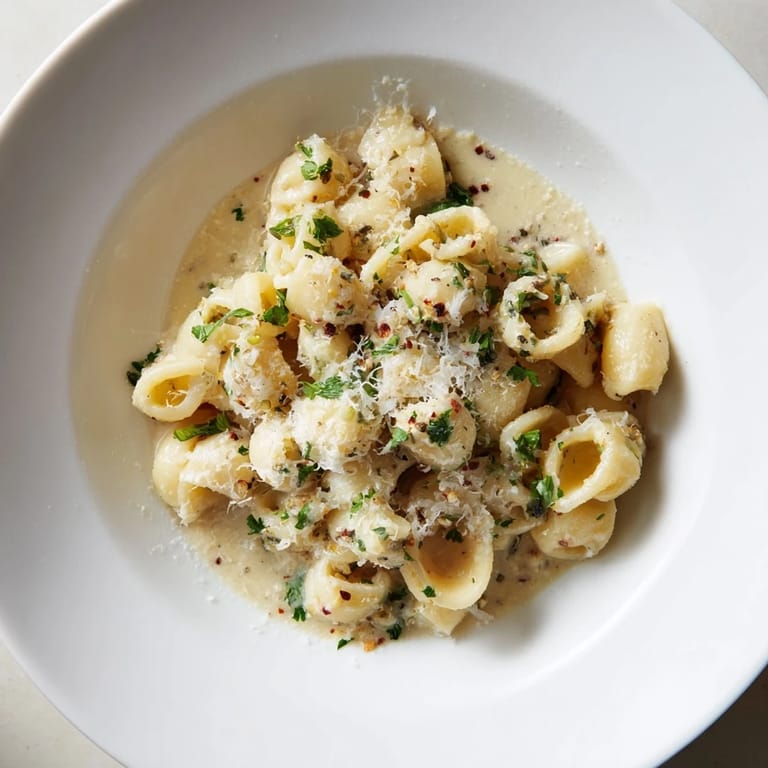
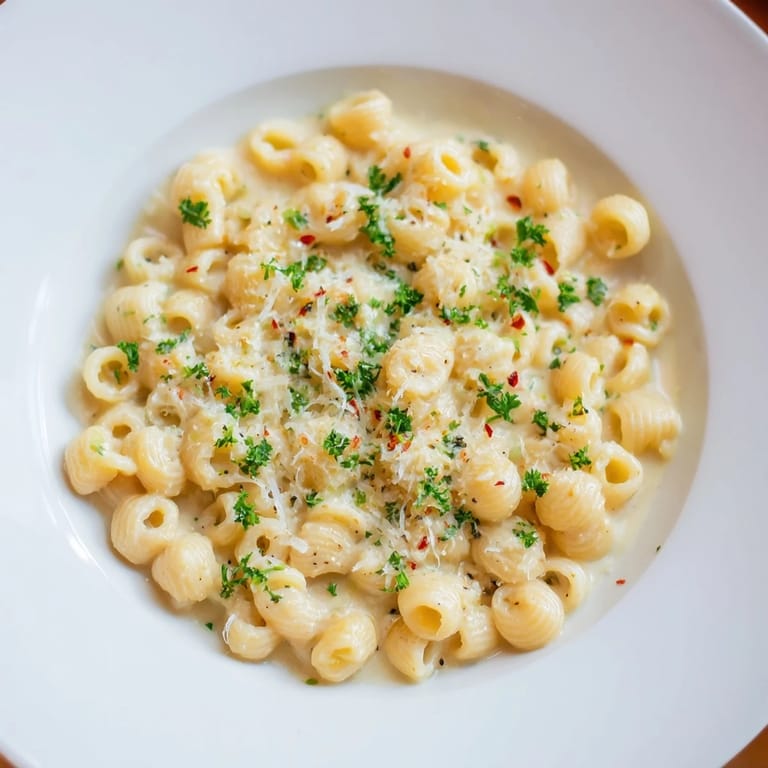
 There's something about a bowl of creamy pasta that just works on those evenings when you need comfort but don't have hours to spend cooking. I discovered this ditalini dish on a Tuesday night when I had exactly thirty minutes before friends were stopping by, and all I wanted was something that tasted like I'd been planning it all day. The secret turned out to be something my grandmother whispered about—using half-and-half instead of heavy cream gives you that luxurious feel without the heaviness that sits in your stomach afterward. The garlic becomes sweet and mellow as it infuses the sauce, and somehow those tiny pasta tubes catch every bit of creamy goodness.
I remember my neighbor poking her head over the fence as I was plating this, drawn by the aroma wafting from my kitchen window. She ended up staying for dinner, and we talked about how sometimes the most satisfying meals are the ones you throw together without overthinking. That night, we added extra Parmesan and laughed about how something this simple could feel like such a small victory.
Ingredients
- Ditalini pasta (300 g): These tiny tube-shaped pasta are perfect for catching sauce in every bite—don't substitute with something larger or the whole balance changes.
- Olive oil (1 tablespoon): This is your flavor foundation, so use something you actually enjoy the taste of, not the cheapest bottle.
- Garlic (4 cloves, finely minced): Mince it yourself if you can; the fresher it is, the sweeter it becomes when cooked gently.
- All-purpose flour (2 tablespoons): This creates the roux that thickens your sauce into something silky rather than thin and watery.
- Half-and-half (480 ml): The star of lightness—it gives you creaminess without the guilt that heavy cream carries.
- Low-sodium vegetable broth (60 ml): This keeps the sauce from becoming one-dimensional and adds subtle depth.
- Parmesan cheese (40 g, grated): Grate it fresh if possible; pre-grated cheese has anti-caking agents that can make your sauce grainy.
- Salt and black pepper: Taste as you go—everyone's palate is different, and you might want more or less than the recipe suggests.
- Red pepper flakes (pinch, optional): A whisper of heat brings out the garlic's sweetness rather than overwhelming it.
- Fresh parsley (2 tablespoons, chopped): This adds a bright moment of freshness that cuts through the richness beautifully.
Tired of Takeout? 🥡
Get 10 meals you can make faster than delivery arrives. Seriously.
One email. No spam. Unsubscribe anytime.
Instructions
- Get the water boiling:
- Fill a large pot with salted water—it should taste like the sea—and bring it to a rolling boil. This is where your pasta flavor begins.
- Cook the pasta:
- Add the ditalini and stir a few times so nothing sticks to the bottom. Cook according to package instructions until you can bite through it without resistance but it still has a tiny bit of firmness in the center—that's al dente. Before draining, scoop out about half a cup of that starchy pasta water and set it aside in a mug; you'll thank yourself later when the sauce needs thinning.
- Start the sauce gently:
- While the pasta cooks, warm olive oil in a large skillet over medium heat until it shimmers slightly. Add your minced garlic and let it sizzle for a minute or two, stirring constantly—you want fragrant, not browned, because browned garlic tastes bitter and defeats the whole purpose.
- Make the roux:
- Sprinkle the flour over the garlic and stir it all together for exactly one minute. You're creating a paste that will thicken everything, and rushing this step or skipping it means a thin, sad sauce.
- Whisk in the cream:
- Pour in the half-and-half and vegetable broth slowly while whisking constantly to avoid lumps—this is the moment that separates silky sauce from grainy disappointment. Keep whisking for about three to four minutes until the sauce thickens enough to coat the back of a spoon.
- Season and finish:
- Stir in the Parmesan, salt, pepper, and red pepper flakes if you're using them. Let everything bubble gently for two more minutes so the cheese fully melts into the sauce.
- Bring it all together:
- Toss the drained pasta into the sauce and stir until every tube is coated. If it looks too thick, add your reserved pasta water a splash at a time until it reaches that creamy consistency where the sauce clings but still moves when you tilt the bowl.
- Serve immediately:
- Plate it up right away while everything is hot, finish with fresh parsley and a shower of extra Parmesan if you're feeling generous.
 Save to Pinterest
 This dish became my go-to meal the winter my daughter was learning to cook, and we made it together one snowy afternoon. She carefully minced the garlic and insisted on doing the whisking herself, standing on a stool beside the stove with such concentration. When we sat down to eat, she took one bite and said it tasted like love, which is exactly what a simple creamy pasta should do.
Why This Sauce Works
The magic of a good creamy sauce isn't heavy cream or butter—it's understanding how roux works and respecting the ingredients you're using. When you cook flour in fat, you're creating a thickening agent that coats the liquid and suspends everything evenly instead of letting it all separate. Adding half-and-half instead of heavy cream means you get the same silky texture with less fat sitting on your palate, which is why you can eat a full bowl and still feel satisfied rather than sluggish. The vegetable broth adds dimension without adding calories, and fresh Parmesan melts into the sauce in a way that pre-grated cheese simply cannot match.
Customizing Your Bowl
I've learned that the best recipes are the ones you feel brave enough to adapt. If you want protein, shredded rotisserie chicken stirred in at the very end keeps the dish simple, or sautéed mushrooms add an earthy depth that pairs beautifully with the garlic. Whole wheat ditalini works just fine if you're looking for extra fiber, though it takes a minute or two longer to cook. Some nights I add a pinch of nutmeg because that spice understands cream the way few others do, and other times I finish it with a squeeze of fresh lemon juice to brighten everything.
What to Serve Alongside
This creamy pasta begs for something bright and crisp to balance it out, which is why a green salad with sharp vinaigrette became my standard pairing. A cold glass of Pinot Grigio works because the wine's acidity cuts through the richness without overwhelming the delicate garlic flavor. I've also learned that crusty bread for soaking up the last of the sauce is non-negotiable, and if you have fresh lemon wedges at the table, people will use them.
- A simple arugula salad with lemon vinaigrette balances the creaminess perfectly.
- Save a few tablespoons of Parmesan for the table so people can add extra if they want.
- This dish is better served immediately while the sauce is at its silkiest.
 Save to Pinterest
 This is the kind of dinner that reminds you why cooking matters—not because it's complicated, but because something warm and honest made with care tastes better than anything else. Thirty minutes is all you need.
Recipe FAQs
- → What is the best way to cook ditalini pasta?
Cook ditalini pasta in salted boiling water until al dente, then drain, reserving some pasta water to adjust sauce consistency later.
- → How is the creamy garlic sauce thickened without heavy cream?
A roux made with olive oil and flour is whisked with half-and-half and vegetable broth, creating a smooth, lighter cream sauce.
- → Can I make this dish vegan or dairy-free?
To make it vegan, substitute half-and-half with plant-based milk and replace Parmesan with a dairy-free alternative or nutritional yeast.
- → What herbs complement this creamy ditalini pasta?
Fresh parsley adds bright herbal notes that enhance the savory garlic and Parmesan flavors in the sauce.
- → How can I add protein to this meal?
Incorporate cooked chicken or sautéed mushrooms for added protein and texture without overpowering the creamy garlic base.