 Save to Pinterest
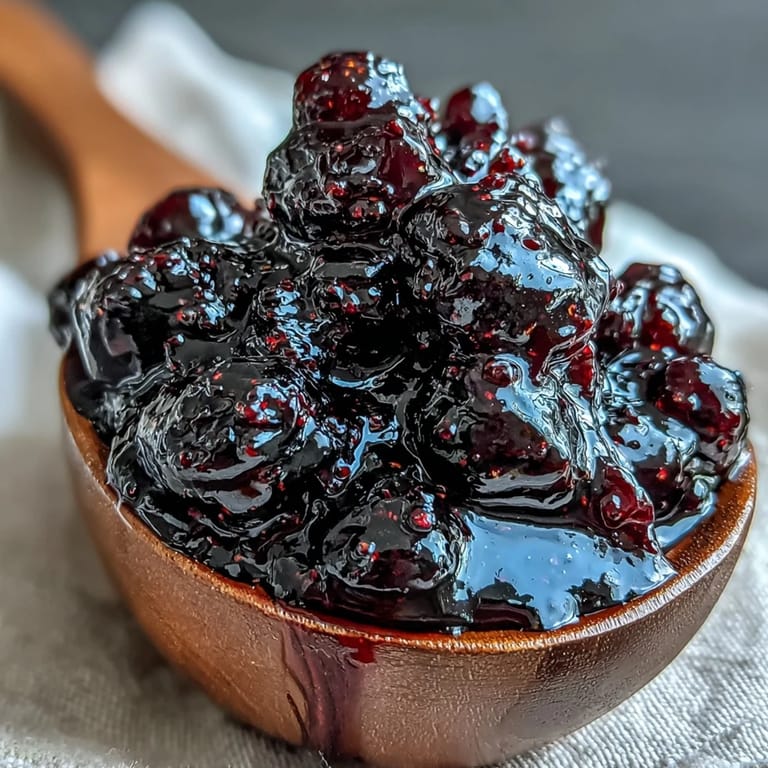
 My grandmother kept jars of black currant jelly on a high shelf in her pantry, each one catching the afternoon light like tiny rubies. The first time I made it myself, I was struck by how the dark berries transformed into something crystal-clear and jewel-like, almost defying the logic of cooking. That moment of pouring the strained juice back into the pot felt like I was handling liquid sunshine, dense with flavor yet impossibly translucent. I've made batches since then in different seasons, different kitchens, and somehow it never gets old—that quiet magic of fruit becoming preserve.
I made this jelly one October morning when the kitchen was cold and a little gray, the kind of day that needed something cheerful. My partner came in halfway through and stood mesmerized watching the fruit bubble and break down, then later watched the clear juice drain through cheesecloth like some kind of culinary slow magic. By evening, we had four jars lined up on the counter, still warm, their lids popping as they sealed. We opened one jar three days later with fresh bread and good butter, and suddenly that gray morning felt worth remembering.
Ingredients
- Fresh black currants (1 kg / 2.2 lbs): The stars of the show—look for berries that are deep purple-black, plump, and fragrant, as these have the best flavor and natural pectin for setting.
- Water (250 ml / 1 cup): Just enough to coax the juice from the fruit without diluting the intense flavor; resist the urge to add more.
- Granulated sugar (800 g / 4 cups): The preservative and sweetener, balanced carefully so it doesn't overpower the currant's natural tartness.
- Lemon juice (2 tbsp): Brightens the flavor and aids the setting process by boosting acidity, so don't skip it even though the amount seems small.
Tired of Takeout? 🥡
Get 10 meals you can make faster than delivery arrives. Seriously.
One email. No spam. Unsubscribe anytime.
Instructions
- Clean and prepare your currants:
- Rinse them thoroughly under cold water and pick off any stems or leaves—you'll notice the water runs clear when they're properly clean. This small step prevents any bitter or grassy notes from sneaking into your finished jelly.
- Release the juice gently:
- Combine the currants and water in your largest saucepan and bring to a simmer over medium heat, then cook for 15–20 minutes, stirring and mashing occasionally as the berries soften and collapse. You'll smell the deep, slightly tart aroma intensify as the fruit releases its precious juice.
- Strain without forcing:
- Pour everything into a fine-mesh sieve or jelly bag suspended over a bowl, then let it drain naturally for at least 2 hours, preferably overnight in the refrigerator. This patience is what gives you that crystal-clear jelly instead of a cloudy one—resisting the urge to press the fruit is the secret discipline here.
- Measure and calculate your sugar:
- You should have roughly 700–750 ml of juice; for every cup of juice, you'll use 1 cup of sugar, so adjust accordingly. Knowing this ratio means you can confidently scale the recipe up or down whenever you like.
- Dissolve the sugar slowly:
- Return the juice to a clean pan with your measured sugar and lemon juice, then stir gently over low heat until every granule dissolves completely—rushing this step can cause crystallization later. Once the mixture looks smooth and glossy, you're ready to turn up the heat.
- Reach the setting point:
- Increase the heat and bring to a rolling boil, then boil hard for 10–12 minutes while watching for the moment it reaches 105°C (221°F) on a candy thermometer, or passes the wrinkle test on a cold plate. You'll know it's ready when a drop on a chilled plate crinkles and holds its shape.
- Skim and jar immediately:
- Remove from heat, skim off the foam that's risen to the surface, then carefully ladle the hot jelly into sterilized jars, leaving a small headspace, and seal at once. The jars will continue to set as they cool, and you'll hear the lids pop as they seal—that sound is pure satisfaction.
- Cool and store properly:
- Let everything come to room temperature undisturbed, then store in a cool, dark place where the jelly will keep for months, or refrigerate after opening and use within 3 weeks.
 Save to Pinterest
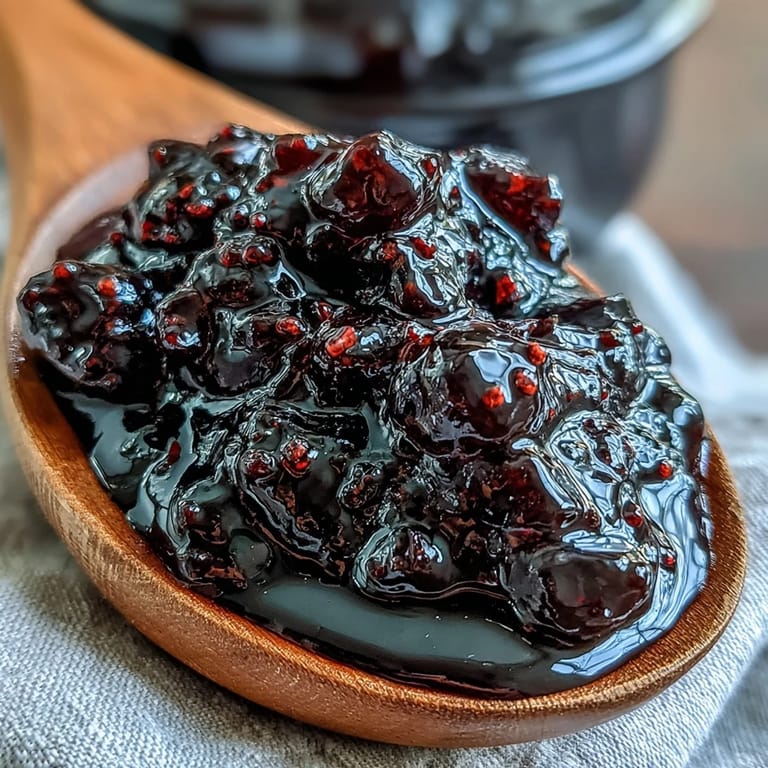
 This jelly became something I made for friends going through transitions—new apartments, new jobs, small life shifts. There's something comforting about handing someone a jar of something you made yourself, something that took patience and care. It says: I thought of you on a quiet morning in my kitchen.
When Black Currants Aren't Available
If black currants aren't in season where you are, frozen ones work beautifully and sometimes have even better flavor because they're picked at peak ripeness and frozen immediately. Red currants or a blend of black and red will give you a different color but the same technique applies perfectly. I've also made this with blackberries in a pinch, though the tartness won't be quite as pronounced and you might need to adjust the lemon juice slightly.
Perfect Pairings and Uses
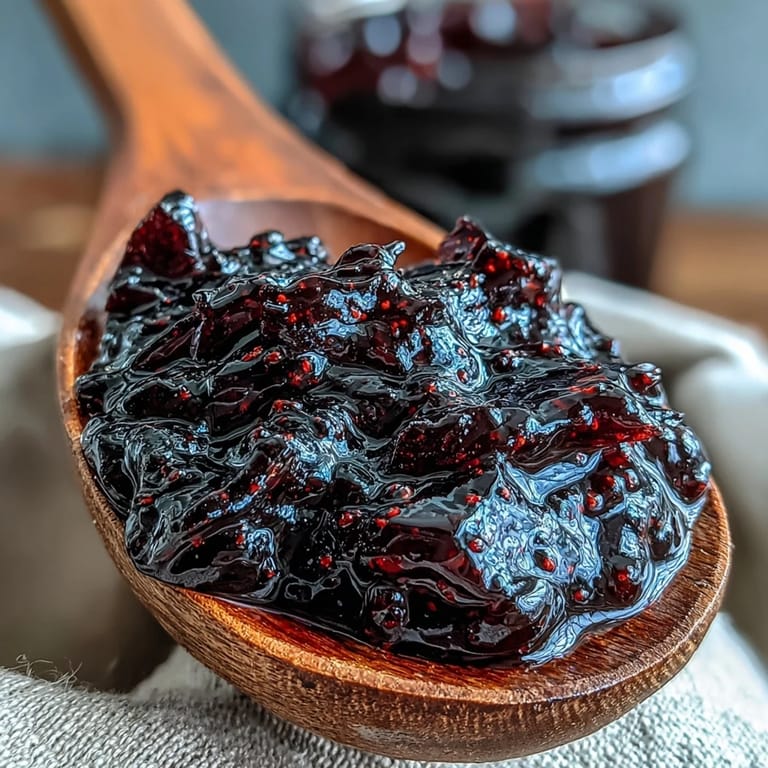
Spread this jelly on warm buttered toast for the simplest pleasure, or use it as a filling between layers of sponge cake with thick cream. It glazes fruit tarts with stunning clarity and jewel-like shine, and a spoonful stirred into Greek yogurt transforms breakfast into something special. I've even warmed it gently and drizzled it over vanilla ice cream on summer evenings—the hot-cold contrast feels luxurious.
Troubleshooting Your Batch
If your jelly doesn't set, don't panic—it's still delicious as a syrup for cocktails, pancakes, or thinned into a glaze. If it sets too firm, place the jar in a warm water bath for a few minutes to soften it slightly. Most issues stem from either not reaching full setting point or using fruit that's past its prime, so trust your senses and the thermometer over timing alone.
- Cloudy jelly means the fruit was pressed through the sieve—next time, practice patience and let gravity do the work.
- Crystallization usually signals that sugar dissolved unevenly or the batch cooked too long, so stir gently and watch the clock closely.
- Mold on the surface means moisture got in, so always ensure jars are completely sterilized and sealed immediately while hot.
 Save to Pinterest
 Making black currant jelly is quiet work that rewards patience, and the results are so much better than anything store-bought. Once you've made your first batch, you'll find yourself planning how to use it before the jars even cool down.
Recipe FAQs
- → How long does black currant jelly take to set?
After boiling, the jelly sets as it cools, typically within 2-4 hours at room temperature. For the most accurate results, use the wrinkle test on a cold plate or a candy thermometer reaching 105°C (221°F).
- → Why shouldn't I press the fruit when straining?
Pressing or squeezing the fruit through the sieve forces out pulp and solids, making the final product cloudy. Letting gravity do the work ensures the clear, jewel-like appearance that makes this preserve so visually appealing.
- → Can I use frozen black currants?
Yes, frozen currants work perfectly for this. Thaw them completely before starting, and include any juices released during thawing. The natural pectin content remains intact, so you'll achieve the same beautiful results.
- → How should I store the finished jars?
Unopened jars keep in a cool, dark place for up to a year. Once opened, refrigerate and consume within 3 weeks. Always check seals before storing and ensure your jars are properly sterilized before filling.
- → What's the purpose of lemon juice?
Lemon juice serves two purposes: it balances the currants' natural sweetness with bright acidity and helps the preserve set properly. The acid interacts with the fruit's natural pectin, ensuring a firm, spreadable consistency.
- → Why did my jelly not set properly?
This usually happens if the fruit was very ripe (lower natural pectin) or if you didn't boil it long enough. You can reboil the mixture with additional commercial pectin. For future batches, slightly underripe fruit yields more natural pectin for a firmer set.