 Save to Pinterest
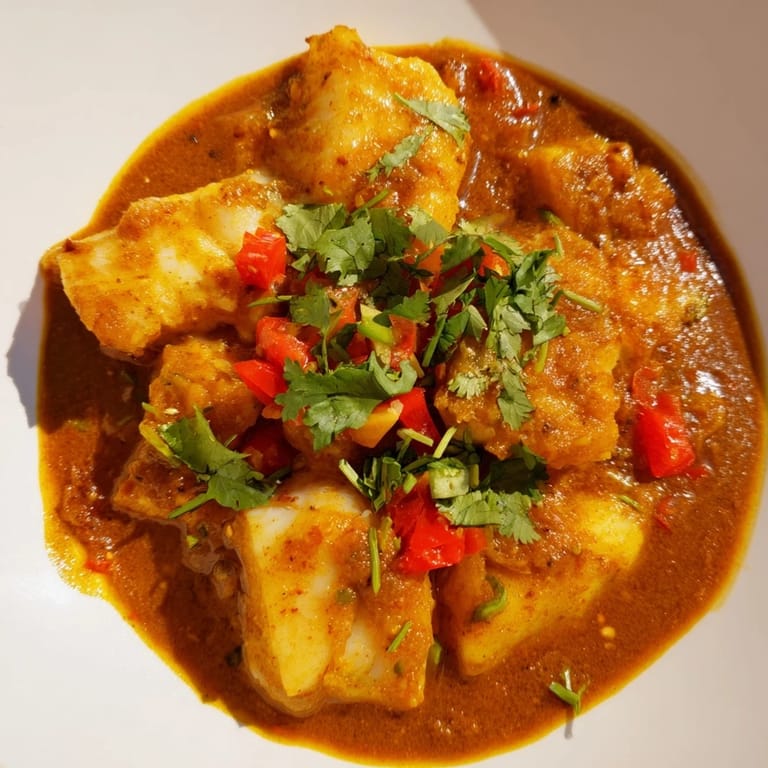
 The first time I cooked Bahraini fish curry, I was standing in a friend's kitchen in Manama, watching her mother move through the spices with such practiced ease that it seemed like music. She'd hand me a pinch of cinnamon, then cardamom, and each one transformed the air into something warm and alive. That afternoon taught me that this curry isn't just a dish—it's a conversation between the sea and the spice markets, and once you taste it, you understand why it appears on tables across the Gulf when comfort is needed.
I made this for my partner on a grey Tuesday evening when we both needed something warm and different. The kitchen filled with such an intoxicating smell—ginger and cinnamon mixing with the ocean sweetness of the fish—that he came in from the other room asking what was happening. By the time we sat down with steaming bowls and rice, the whole day felt lighter.
Ingredients
- Firm white fish fillets (600 g): Cod, snapper, or hammour work beautifully because they hold their shape without falling apart into the sauce; cut them into generous chunks so they stay substantial through cooking.
- Turmeric (1/2 tsp): This isn't just color—it's a gentle flavor primer that prepares the fish to absorb the curry's warmth.
- Vegetable oil (2 tbsp): Keep the heat medium so the oil doesn't burn and turn bitter before the aromatics go in.
- Onion (1 large): Golden onions are the foundation; rushing this step means missing the sweet depth that carries everything else.
- Garlic and ginger (4 cloves, 1 thumb-sized piece): Fresh and minced, they release their essential oils and become almost creamy as they cook down.
- Green chilies (1–2): These add gentle heat and brightness; taste as you go since some are fiercer than others.
- Tomatoes (2): They break down into a natural thickener and add a subtle tang that balances the richness.
- Ground spices (coriander, cumin, cinnamon, pepper, paprika, cardamom): Toast them briefly in the pan so they bloom and release their hidden depths rather than sitting flat on your tongue.
- Coconut milk (400 ml): Full-fat is worth it for the silky texture and authentic flavor.
- Lemon juice (1/2 lemon): This final squeeze brings everything into focus, cutting through richness with brightness.
- Fresh coriander (cilantro): The garnish that makes you stop and notice you're eating something alive and fresh.
Tired of Takeout? 🥡
Get 10 meals you can make faster than delivery arrives. Seriously.
One email. No spam. Unsubscribe anytime.
Instructions
- Season and rest the fish:
- Pat your fish completely dry with paper towels, then dust with salt and turmeric, letting it sit for ten minutes so the spices start their gentle work. This small pause matters more than you'd think.
- Build your aromatics base:
- Heat oil to a gentle sizzle, then add onion and let it turn golden—this takes patience, but those caramelized edges are where the sweetness lives. You'll know it's ready when the kitchen smells almost sweet.
- Wake up the spices:
- Stir in garlic, ginger, and chilies, cooking just until fragrant—maybe a minute—then add tomatoes and let them soften into the base. Add all your ground spices next and stir constantly for another minute, watching them deepen in color as they toast.
- Create the sauce:
- Pour in the coconut milk and water, stirring gently to combine, then bring to a soft simmer where small bubbles barely break the surface. This gentle heat is everything.
- Nestle in the fish:
- Add your rested fish pieces, cover the pan, and let them cook for 12-15 minutes until they're cooked through and tender—they should flake easily with a fork but still feel moist. The sauce will smell almost unbelievably good at this point.
- Finish with brightness:
- Taste, adjust salt if needed, squeeze in lemon juice until it sings, then scatter coriander over the top and serve immediately with steamed rice or flatbread. This is best enjoyed while the steam is still rising.
 Save to Pinterest
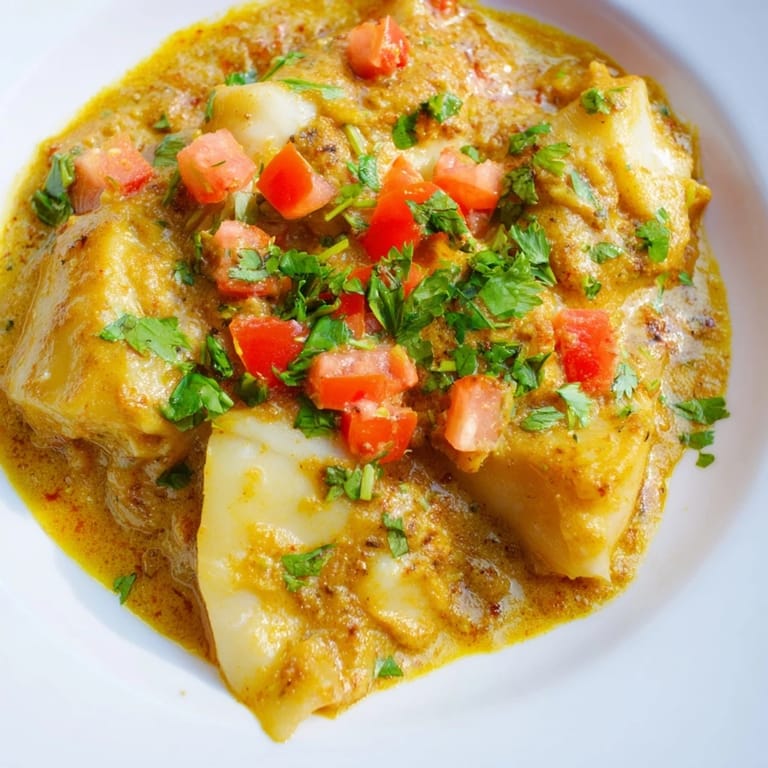
 There's a moment, about eight minutes into simmering, when you lift the lid and realize the curry has transformed into something you can't quite name—deeper, rounder, more complex than the sum of its parts. That's when I know I've made it right, and that's when I understand why this dish has stayed on tables for generations.
The Soul of Bahraini Cooking
Bahraini cuisine exists at a crossroads—influenced by Indian spice traders, Persian flavor traditions, and the bounty of the Arabian Gulf itself. This curry captures that intersection perfectly, using coconut milk like the Indian subcontinent while honoring the warming spices favored across the Middle East. What makes it distinctly Bahraini is the restraint, the way nothing overpowers the delicate fish, the way every ingredient knows its place in the chorus.
Making It Your Own
Once you've made this once or twice, you'll start seeing variations everywhere. Some cooks add a pinch of saffron, letting it steep in warm water before stirring it in, or they include dried limes (loomi) for a tart, almost floral note that cuts through richness differently than lemon. Shrimp cooks faster than fish—usually 6-8 minutes—and firm tofu absorbs the sauce beautifully if you're cooking for someone avoiding fish. The beauty of this recipe is that it's flexible enough to meet you where you are while staying true to its heart.
Serving and Pairing
Basmati rice or Bahraini ghoozi rice is traditional, but honestly, anything that can soak up the sauce becomes elevated—torn flatbread, pearl barley, even roasted cauliflower if you're in the mood for something different. A cold lassi or a crisp white wine cuts through the richness, though I've never met anyone who needed anything more than the curry itself and someone to share it with.
- Warm your serving bowls under hot water before plating, so every spoonful stays at that perfect, comforting temperature.
- Keep extra lemon wedges at the table—some people like more brightness, and that's their prerogative.
- Leftovers actually improve after a night in the fridge, when flavors have had time to settle and deepen.
 Save to Pinterest
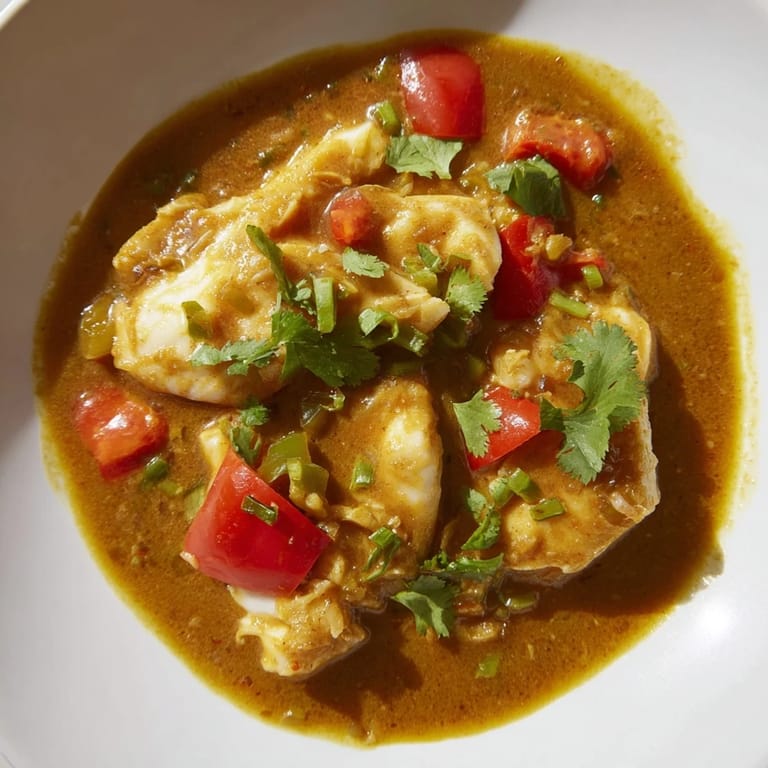
 This curry reminds me that the best meals aren't about impressing anyone—they're about creating a moment where good food and good company become indistinguishable. Make it with care, taste as you go, and don't worry about perfection.