 Save to Pinterest
 One sweltering July afternoon, I stood in my kitchen watching the steam rise off a pot of boiling noodles, wondering how to salvage lunch without turning on the oven. A friend had just dropped off a bag of edamame from her garden, and I remembered a dressing my colleague swore by—something with tahini and sesame oil that tasted nothing like what I expected, in the best way. Twenty minutes later, I was loading bowls with cool noodles and crisp vegetables, and suddenly summer felt manageable again.
I made this for a potluck once where everyone else brought casseroles, and watching people go back for seconds of a cold noodle salad felt like a small victory. My neighbor asked for the recipe three times that evening—not written down, just the verbal version while we stood by the cooler—and I realized this dish had a quiet confidence about it, the kind that doesn't need to announce itself.
Ingredients
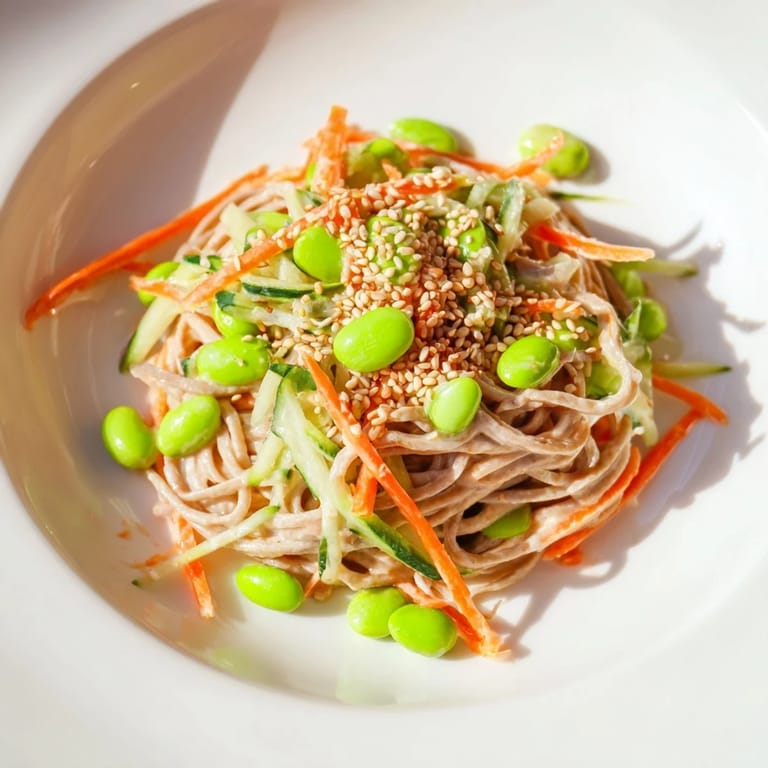
- Soba noodles or thin spaghetti (250 g): Soba has this nutty undertone that plays beautifully with sesame, but honestly, any delicate noodle works—I've used rice noodles when I needed gluten-free and the result was just as silky.
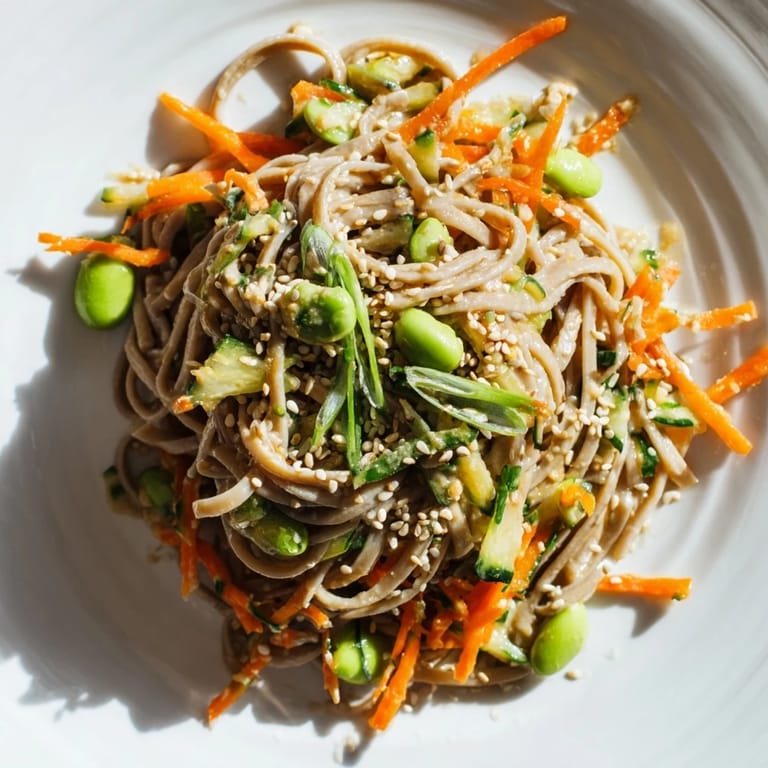
- Cucumber (1 medium, julienned): The water content is your friend here; it keeps the salad refreshing and prevents the dressing from clumping as it sits.
- Carrots (2 medium, julienned): Raw carrots add a subtle sweetness and that satisfying crunch that contrasts with tender noodles.
- Edamame (1 cup, cooked and cooled): These little green beans carry the protein load and bring an earthiness that balances the rich sesame dressing.
- Spring onions (2, thinly sliced): Save some for garnish; they're like a bright punctuation mark at the end of each bite.
- Toasted sesame seeds (2 tbsp): Toast them yourself if you can—the difference between stale and fresh is the difference between a good salad and one you'll think about later.
- Tahini or toasted sesame paste (3 tbsp): This is the backbone; toasted sesame paste tastes deeper and more complicated if you can find it, but tahini won't let you down.
- Soy sauce (2 tbsp, or tamari for gluten-free): The salt and umami here are doing heavy lifting, so don't skimp or oversalt later.
- Rice vinegar (1 tbsp): It's gentle and slightly sweet, which is why this dressing doesn't feel sharp despite all that sesame.
- Toasted sesame oil (1 tbsp): A little goes a long way; regular sesame oil tastes thin by comparison, and the toasted version is worth seeking out.
- Honey or maple syrup (1 tbsp): Both work, but maple has a subtle woodiness that I prefer on autumn nights.
- Fresh ginger (1 tsp, grated): Grate it fine so it distributes evenly through the dressing instead of settling in chunks.
- Garlic (1 clove, minced): One clove is honest—more than that and you've shifted the whole tone of the dish.
- Water (2–3 tbsp): This adjusts the dressing consistency; cold salads need a slightly looser dressing than warm bowls do.
Tired of Takeout? 🥡
Get 10 meals you can make faster than delivery arrives. Seriously.
One email. No spam. Unsubscribe anytime.
Instructions
- Prepare the noodles:
- Cook them according to the package, then drain and run under cold water until they're completely cool—this stops the cooking and prevents them from clumping. A quick toss with a tiny bit of oil here can help, though it's not essential.
- Whisk the dressing:
- Combine tahini, soy sauce, rice vinegar, sesame oil, honey, ginger, and garlic in a bowl, then whisk until it's smooth. Add water a tablespoon at a time until it reaches a consistency that feels like it'll coat noodles rather than puddle underneath them.
- Toss everything together:
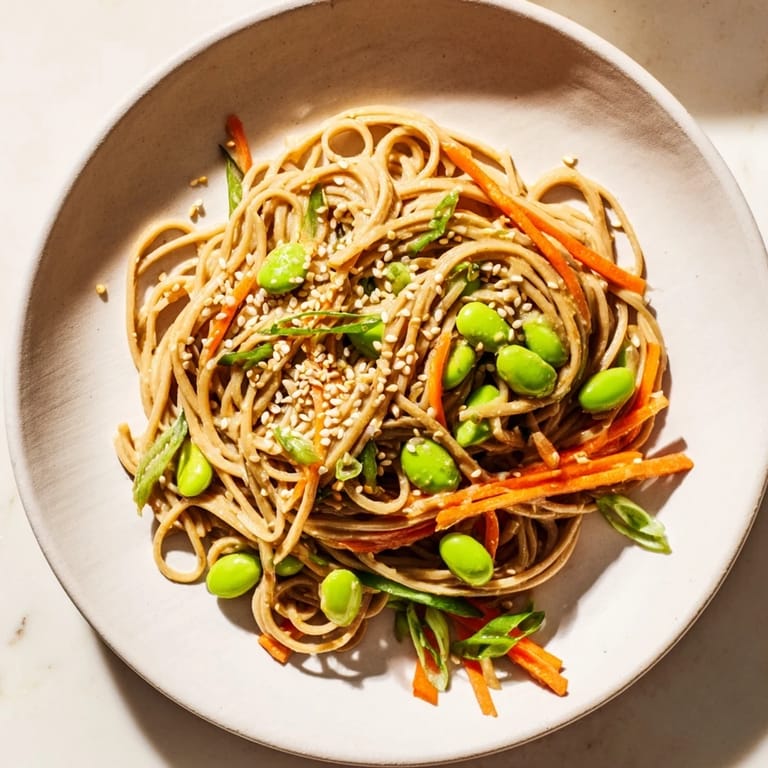
- Add the cooled noodles, cucumber, carrots, and edamame to the dressing and fold gently—you want to coat everything without bruising the vegetables or breaking the noodles.
- Finish and chill:
- Scatter spring onions and sesame seeds over the top, add any garnishes that appeal to you, then refrigerate for at least ten minutes so the flavors can actually get to know each other.
 Save to Pinterest
 There's a moment when you taste a cold salad on a warm day and realize you've found something that actually satisfies you without making you feel heavy afterward. This dish became that for me, and now I make it almost reflexively when the weather shifts, knowing it'll taste like exactly what I need.
Variations That Work
Add shredded cooked chicken or crumbled tofu if you want something heartier, though the salad holds its own as vegetarian. I've also stirred in a handful of shredded red cabbage for extra color and crunch, and once added a thin drizzle of sriracha to the dressing when I wanted something with more bite. Fresh mint works beautifully instead of cilantro if that's what you have, and honestly, any crisp vegetable—bell peppers, snap peas, shredded radish—fits right in.
Make-Ahead and Storage
This salad actually improves if you let it sit for a few hours, which makes it ideal for weekday planning. The dressing softens the noodles just enough while the vegetables stay crisp, creating a texture balance that tastes intentional. Store it in a covered container in the refrigerator for up to three days, though the sesame seeds will soften over time, so you might want to add fresh ones before serving if you value that toast.
Why This Dressing Matters
Sesame dressing is one of those kitchen discoveries that changes how you think about what you already have on hand. It's creamy without cream, rich without being heavy, and somehow manages to taste both exotic and deeply familiar at the same time. Once you understand the ratio of tahini to acid to oil, you can adjust it forever after—more vinegar if you want brightness, more honey if you're eating it with spicy food, more sesame oil if you want to lean into the nuttiness.
- The dressing also works on grain bowls, roasted vegetables, or even as a dip for fresh spring rolls.
- Make a double batch and keep it in a jar; it'll stay good for a week and tastes better than any bottled version.
- If the dressing separates as it sits, just whisk it back together or add a splash of water and stir.
 Save to Pinterest
 This is the kind of recipe that grows with you, becoming more confident in your hands each time you make it. It asks very little but gives something genuinely satisfying back.
Recipe FAQs
- → What noodles work best for this dish?
Soba noodles or thin spaghetti provide a great texture, while rice noodles are a gluten-free option.
- → How can I make the dressing creamier?
Adjust the amount of tahini and add water gradually to achieve a smooth, pourable consistency.
- → Can I add protein to this dish?
Yes, shredded cooked chicken or tofu can be mixed in for extra protein.
- → What are good substitutions for soy sauce?
Tamari is a gluten-free alternative that maintains the umami flavor of soy sauce.
- → How long should I chill the salad before serving?
Chilling for at least 10 minutes enhances the flavors and ensures a refreshing taste.
- → What optional garnishes complement this dish?
Fresh cilantro, mint leaves, crushed peanuts or cashews, and lime wedges add brightness and texture.