 Save to Pinterest
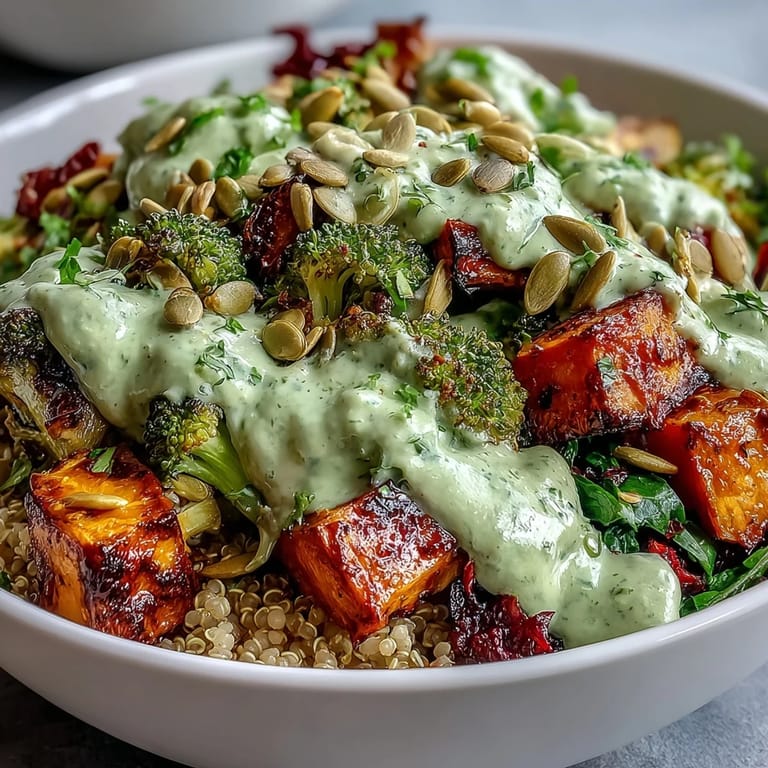
 There's something about assembling a Buddha bowl that feels like you're creating edible art, especially when your kitchen smells like roasting vegetables and fresh herbs colliding in the best way possible. I stumbled onto this version on a Tuesday afternoon when I had a fridge full of good intentions and needed something that didn't feel like obligation. The Green Goddess dressing came together almost by accident, a blur of basil and cilantro that transformed everything it touched into something alive and bright.
I made this for my friend Maya on a rainy Sunday, and she texted me three days later asking for the dressing recipe because she'd been eating it with literally everything. Watching someone's face light up when they taste that creamy avocado blend over warm quinoa never gets old, and honestly, that moment reminded me why cooking matters.
Ingredients
- Sweet potato, peeled and diced: The natural sweetness balances the earthiness of everything else, and when it caramelizes at high heat, it becomes genuinely addictive.
- Fresh broccoli florets: They get crispy at the edges and tender inside, which is the exact texture contrast that makes roasted vegetables exciting.
- Red bell pepper, sliced: Adds a pop of color and sweetness without overwhelming the other flavors, plus it softens beautifully without falling apart.
- Zucchini, sliced: It's mild and absorbs the spice seasoning wonderfully, becoming almost caramelized if you don't move it around too much.
- Olive oil, smoked paprika, cumin, salt and pepper: This combination creates a warm spice backbone that ties all the roasted vegetables together into something cohesive.
- Quinoa, rinsed: Rinsing removes the bitter coating, and the texture stays perfectly fluffy when you fluff it with a fork right after cooking.
- Chickpeas: They provide hearty protein and a satisfying bite, especially when you warm them slightly so they taste less canned.
- Ripe avocado: The creamiest part of the dressing, and using a truly ripe one makes the whole thing silky without needing mayo or dairy.
- Fresh parsley, cilantro, and basil: Together they create that Green Goddess magic, fresh and herbaceous without any single herb overpowering the others.
- Lemon juice, garlic, and extra-virgin olive oil: These brighten everything up and give the dressing character while keeping it plant-based.
- Pumpkin seeds, toasted: The texture element that prevents the bowl from feeling soft all the way through, plus they add nutty richness.
- Red cabbage, shredded: Raw cabbage brings a slight crunch and a subtle tartness that plays beautifully against the creamy dressing.
Tired of Takeout? 🥡
Get 10 meals you can make faster than delivery arrives. Seriously.
One email. No spam. Unsubscribe anytime.
Instructions
- Heat your oven and prep your vegetables:
- Get the oven to 425°F and line a baking sheet with parchment paper so cleanup is almost nonexistent. While it preheats, cut your vegetables into similarly sized pieces so they roast evenly, and try not to make them too tiny or they'll shrivel up.
- Coat and season your vegetables:
- Toss everything in a bowl with olive oil and your spice blend, making sure each piece gets coated without any sad dry spots hiding underneath. The smoked paprika and cumin should look evenly distributed, kind of like a light spice blanket.
- Spread and roast:
- Arrange the vegetables in a single layer on your baking sheet, and here's the thing about halfway through: flip them so they caramelize on both sides. After about 25 to 30 minutes, they should be golden and tender, with some crispy edges.
- Cook your quinoa while vegetables roast:
- Rinse your quinoa first, then combine it with water or broth in a saucepan and bring to a boil before reducing heat and covering. After about 15 minutes, the liquid should be fully absorbed and the grains should look fluffy when you fluff them with a fork.
- Blend your Green Goddess dressing:
- Throw your avocado, herbs, lemon juice, garlic, olive oil, and salt into a blender and blend until it's smooth and creamy. Add water a tablespoon at a time until it reaches the consistency you want, which should be pourable but not watery.
- Warm your chickpeas:
- Heat them in a skillet over medium heat for a couple of minutes so they taste fresher and warmer, almost like you just cooked them. You can skip this step if you're in a hurry, but it genuinely makes a difference.
- Assemble your bowls:
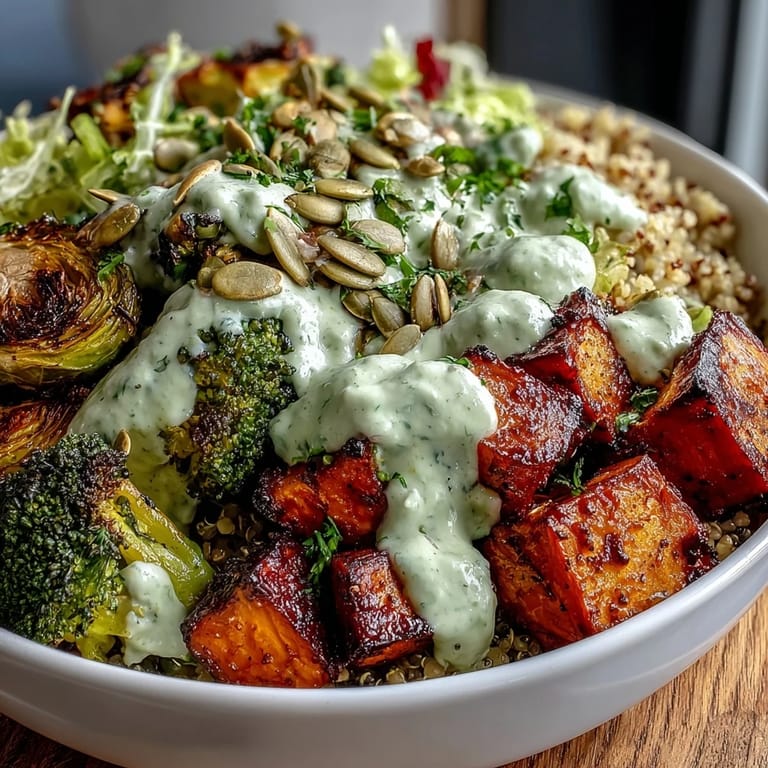
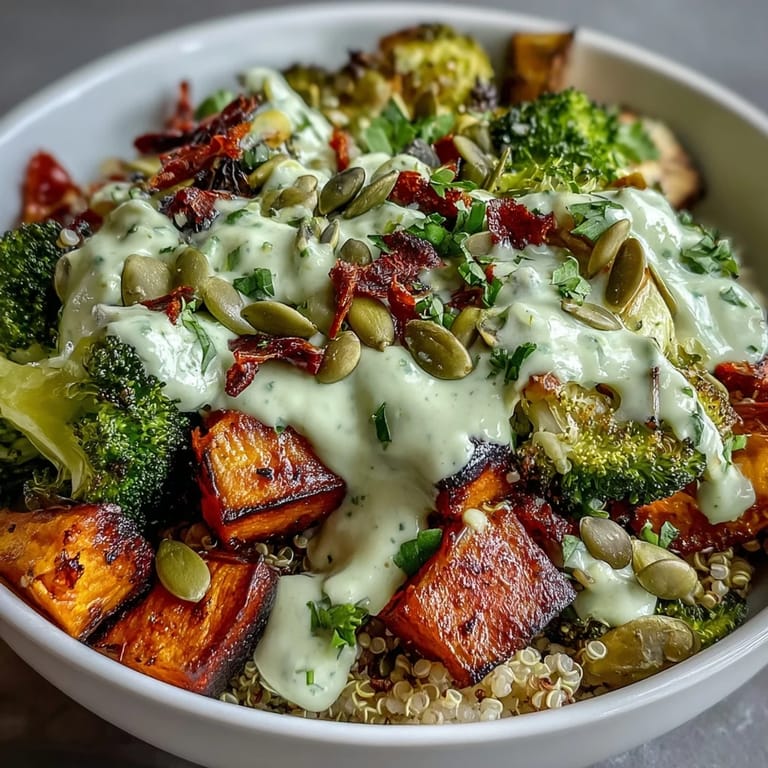
- Divide the quinoa among four bowls and layer everything on top: roasted vegetables, chickpeas, raw cabbage, and a generous handful of pumpkin seeds. Drizzle the dressing everywhere and serve with lemon wedges so people can add brightness as they eat.
 Save to Pinterest
 There's a quiet satisfaction in eating something this nourishing and beautiful that you made yourself, especially when it tastes like restaurant food but cost a fraction of the price. Every component does its job, and somehow they make each other better.
Why This Bowl Became My Go-To
I started making this regularly because meal prep stopped feeling like a chore and started feeling like an act of self-care, which might sound dramatic but it's true. The fact that you can eat it cold or warm, that it tastes good for three days, and that you can change the vegetables depending on what's in season or on sale made it feel less like a recipe and more like a template I actually wanted to follow.
Customizing Your Bowl
The beauty of Buddha bowls is that they're almost impossible to mess up once you understand the basic structure: a grain, some protein, lots of vegetables, and something that ties it together. You can swap brown rice or farro for quinoa, use whatever roasted vegetables you have on hand, and even make a different dressing entirely if you're not feeling the Green Goddess version one particular day. I've made this with butternut squash instead of sweet potato, swapped in tempeh for the chickpeas, and once even threw in some leftover roasted cauliflower from a completely different meal and it worked beautifully.
Making This Ahead
The best part about meal prep is when you can actually eat something that tastes good enough to be a real meal and not like punishment for trying to be organized. You can roast all your vegetables the night before, cook the quinoa in the morning, and make the dressing whenever you need it. Just keep them in separate containers and assemble when you're ready to eat, because the dressing will soften the raw cabbage if everything sits together for too long.
- Store roasted vegetables in an airtight container for up to four days, and they're honestly good cold right out of the fridge.
- Cooked quinoa keeps for five days easily, and it actually gets firmer in the fridge which makes it easier to portion.
- Make the dressing fresh for each meal or every other day maximum, because it's not the kind of thing that improves with time.
 Save to Pinterest
 This bowl taught me that plant-based eating doesn't have to be complicated or feel like you're missing anything when you use good ingredients and technique. Make it, eat it, feel good about it.
Recipe FAQs
- → What vegetables work best for roasting in this bowl?
Root vegetables like sweet potatoes and seasonal choices such as broccoli, bell peppers, and zucchini roast beautifully, developing a tender texture and rich flavor.
- → Can I use different grains for the base?
Yes, brown rice, farro, or any preferred cooked grain can replace quinoa to adjust texture and taste.
- → How do I make the green avocado dressing creamy?
Blending ripe avocado with fresh herbs, lemon juice, garlic, olive oil, and a touch of water creates a smooth, creamy dressing with vibrant flavor.
- → Is it necessary to warm the chickpeas before serving?
Warming chickpeas gently enhances their flavor and texture but they can also be served at room temperature as desired.
- → What can I use as toppings to add crunch?
Toasted pumpkin seeds and shredded red cabbage add a satisfying crunch and color contrast to the bowl.